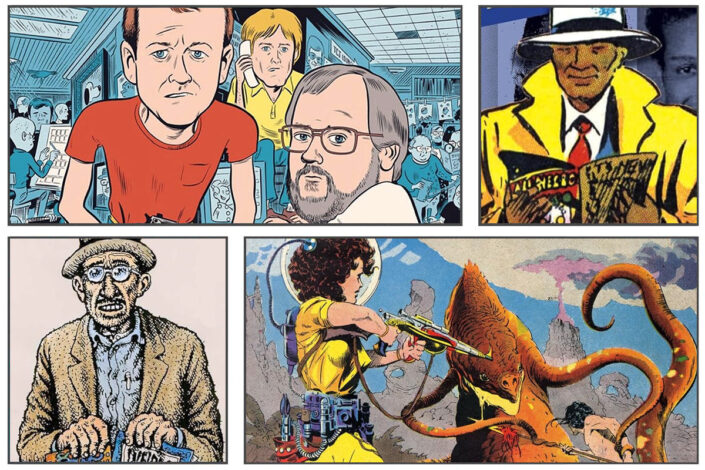
Every comic book reader has met someone who told them that it would be better if they read “real” books. Sadly, sequential art is often not considered to be as worthy an art form as literature. Nevertheless, if there are books that comic book readers like to read, it’s books about comic books!
Some of those books are straightforward history books, while others are biographical in nature, but all explore, in one way or another, some aspect of the multifaceted development of the industry that has become such a pillar of American culture. From the creation of icons to the exploitative nature of the publishing world, the emergence of artistic movements, and the economic evolution of the industry, there are a lot of subjects to cover.
Today, we are aiming to compile a selective list of books that you might be interested in reading about comic books. There are fewer than one might expect after so many decades. Nevertheless, more and more insiders and fans are trying to chronicle the history of comics before too many of those who lived it leave us. In the following selection, you’ll find biographies, history books, art books, essays, interviews, and memoirs, going into different genres, authors, and topics.
1. American Comic Book Chronicles by various authors
Instead of one book, let’s start with a multi-volume series published by TwoMorrows. Essential reading for comic book fans, American Comic Book Chronicles provides a year-by-year, decade-by-decade narrative of the American comic book industry. It combines an overview of publications, creators, cultural context, and notable events. It serves as a comprehensive reference series, offering accessible insights into the evolution of comics alongside social and economic changes.
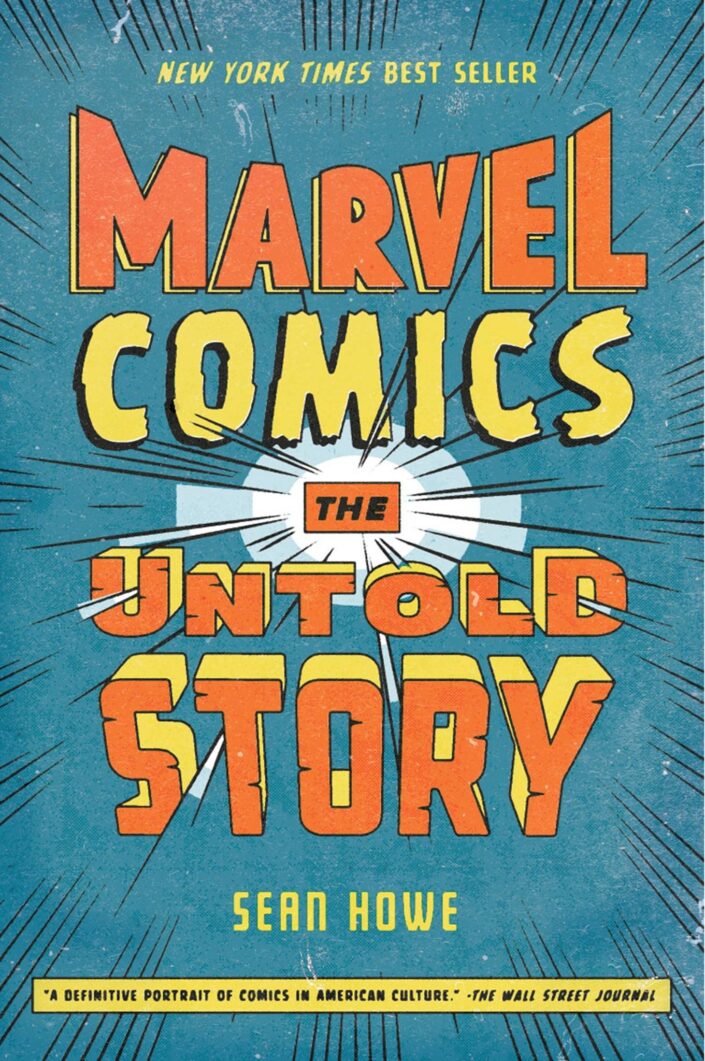
2. Marvel Comics: The Untold Story by Sean Howe (2012)
In his book, Sean Howe offers a behind-the-scenes chronicle of Marvel’s rise and struggles, based on interviews with over 150 insiders. He unveils the frequently turbulent creative and business dynamics that shaped Marvel’s evolution, from its early years to bankruptcy and revival. In the process, he takes on the polished “bullpen myth”, showing how personal conflict, power plays, and unacknowledged contributions played a key role in the company’s history.
3. The Ten-Cent Plague: The Great Comic-Book Scare and How It Changed America by David Hajdu (2008)
David Hajdu examines the moral panic and social crusades of the 1940s and 1950s that targeted comic books as a harmful influence. He traces how public outcry, censorship, Senate hearings, and the establishment of the Comics Code Authority reshaped the medium. He argues that these events left a lasting mark on comic book storytelling, industry self-regulation, and American culture.
4. Manga! Manga!: The World of Japanese Comics by Frederik L. Schodt (1983)
This is one of the foundational English-language studies of manga. It traces the comic’s cultural origins, major genres, influential creators — including Osamu Tezuka — and social functions. Schodt combines a historical narrative with the translation of representative excerpts and reflections on how manga communicates with diverse audiences in Japan and beyond.
5. All in Color for a Dime by Richard A. Lupoff (1970)
A pioneering collection of essays examining the golden age of American comic books, the book captures the enthusiasm and nostalgia of the early fan base while offering one of the first serious examinations of the medium’s widespread appeal. Written by early comic book historians and enthusiasts, it explores how the mass-produced ‘dime’ comics of the 1940s and 1950s influenced genres, aesthetics, and generations of readers.
6. The History of EC Comics by Grant Geissman (2020)
This big, beautiful Taschen volume chronicles one of the most influential publishers in American comics. It traces EC’s rise from its pulp origins to its groundbreaking horror, crime, war, and satire titles. Through artwork, original pages, and interviews, Grant Geissman illuminates the company’s creative daring, its battles with censorship, and its enduring legacy in shaping the modern comics landscape.
7. Image Comics: The Road to Independence by George Khoury (2007)
Published to celebrate the 15th anniversary of Image Comics, this book features interviews of the company’s founding artists: Erik Larsen, Jim Lee, Todd McFarlane, Whilce Portacio, Marc Silvestri, and Jim Valentino. They recount how they broke away from Marvel to establish a publisher owned by its creators. Offering an insider’s view of the risks, rivalries, and ideals that redefined the business model of American comics in the 1990s.
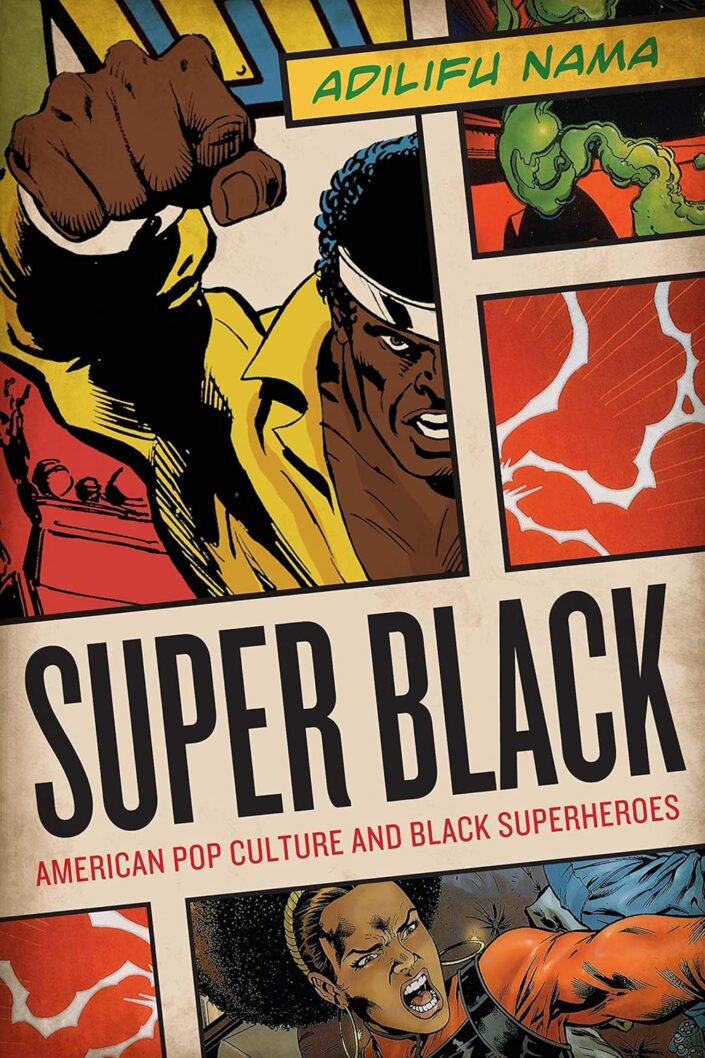
8. Super Black: American Pop Culture and Black Superheroes by Adilifu Nama (2011)
Dr. Adilifu Nama explores in a fun and educational way the evolution of Black superheroes in American comics, examining their broader cultural significance and linking them to shifting ideas of race, identity, and power. Using characters such as Black Panther, Luke Cage, and Storm as examples, he positions the superhero genre as a means of understanding American racial politics and popular culture.
9. Invisible Men: The Trailblazing Black Artists of Comic Books by Ken Quattro (2020)
This book profiles eighteen largely overlooked African-American artists who worked in comics from the Golden Age onwards. Many of them were uncredited or ‘invisible’ in mainstream histories. Through compelling archival materials, artwork, and biographical essays, Ken Quattro illustrates how these artists challenged racial barriers while making significant contributions to genres such as romance, horror, and superhero comics.
10. Masters of British Comic Art by David Roach (2020)
This beautifully illustrated volume surveys the history of British comic art from early 20th-century beginnings up through recent contemporary work. Edited by David Roach, it showcases luminaries like Brian Bolland, Dave Gibbons, Kevin O’Neill, and many “lost masters,” with essays and high-quality reproductions of original artwork to tell how British comics evolved in form, genre, and global influence.
11. Reading the Funnies: Essays on Comic Strips by Donald Phelps (2001)
This Fantagraphics publication is a collection of essays that treat newspaper comic strips as serious objects of cultural and aesthetic study. Donald Phelps examines how form, humor, serialization, visual cues, and seriality in strips both reflect and shape social mores and everyday life, offering readers tools to see the “funny pages” not just as entertainment but as a meaningful cultural artifact.
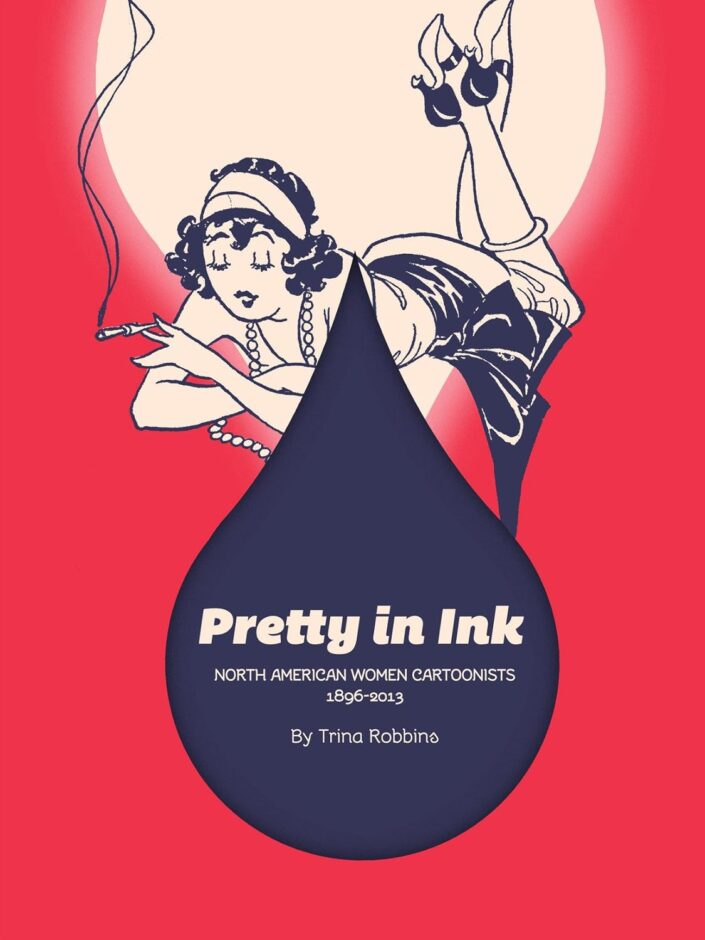
12. Pretty in Ink: North American Women Cartoonists 1896-2013 by Trina Robbins (2013)
A comprehensive, illustrated history documenting the contributions of North American women cartoonists from 1896 to 2013. Trina Robbins incorporates archival research, previously overlooked artists, and color reproductions to highlight how women navigated professional barriers, influenced the medium, and shaped the evolution of comics over more than a century.
13. We Told You So: Comics As Art by Tom Spurgeon & Michael Dean (2016)
This beautiful book is an oral history chronicling the first 40 years of Fantagraphics Books, one of the most influential independent comics publishers. Through interviews, personal stories, and reflections from creators and critics, Spurgeon and Dean tell how Fantagraphics helped redefine comics as art, pushing boundaries in both form and subject matter. It shows both the achievements and struggles of the publisher, and how it persisted in changing public and critical attitudes toward comics.
14. The League of Regrettable Superheroes: Half-Baked Heroes from Comic Book History by Jon Morris (2015)
This is a humorous collection of obscure, odd, and sometimes absurd superheroes, from forgotten Golden Age characters to oddities from the Silver and later eras. Using vintage art and commentary, Jon Morris shines a spotlight on characters who didn’t quite stick around, exploring why some hero concepts resonate while others fail spectacularly. In doing so, he engages both comics fans and the curious alike.
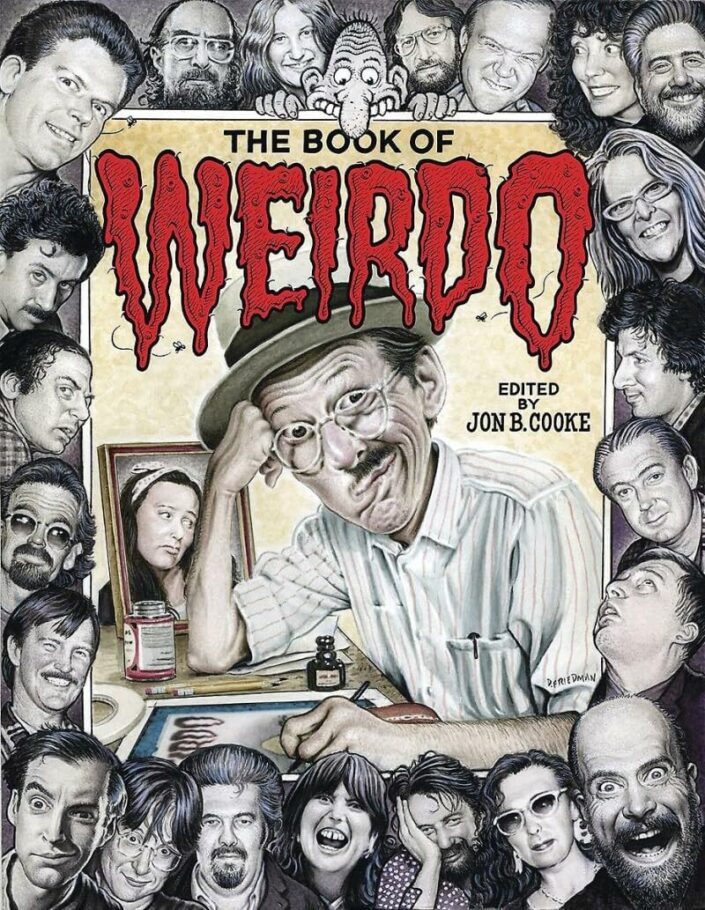
15. The Book of Weirdo: A Retrospective of R. Crumb’s Legendary Humor Comics Anthology by Jon B. Cooke (2019)
A retrospective of Weirdo magazine, which was founded by R. Crumb, this book explores its place in the world of underground and alternative comics. Featuring interviews with the magazine’s editors, as well as contributions from its writers and artists, it captures the irreverent humour and unusual voices of Weirdo, and its influence on later generations of cartoonists who challenged mainstream norms.
16. Slugfest: Inside the Epic, 50-year Battle between Marvel and DC by Reed Tucker (2017)
For his in-depth, behind-the-scenes account of the enduring rivalry between Marvel and DC Comics, Reed Tucker uses interviews with key figures from both companies to explore how business strategies, creative disputes, the poaching of talent, and competitive innovation have not only shaped the two publishers, but also the wider superhero genre and comic book fandom.
17. The Caped Crusade: Batman and the Rise of Nerd Culture by Glen Weldon (2016)
This is an exploration of Batman’s evolution from his comic book debut in 1939 to his presence in television, film, merchandise and fandom, and how the character has reflected, and played a significant part in shaping and changing, social attitudes and the meaning of ‘nerd culture’ in the present era. Using humour, cultural analysis and pop culture history, Glen Weldon illustrates how Batman’s various incarnations, ranging from dark to campy and serious to playful, mirror the desires of fans and broader societal trends.
18. The Secret History of Wonder Woman by Jill Lepore (2014)
The origins of Wonder Woman may surprise you when reading Jill Lepore’s exploration of the life of her creator, psychologist William Moulton Marston, and his ties to early 20th-century feminism and radical politics. Drawing on archival research, she reflects on how Marston’s unconventional family life and feminist ideals shaped the character, positioning Wonder Woman as both a product of her time and a lasting symbol of women’s liberation.
19. Supergods by Grant Morrison (2011)
Always the unconventional storyteller, Grant Morrison combines memoir, history, and cultural analysis to explore superheroes as modern myths reflecting society’s hopes, fears, and transformations. Moving from the Golden Age to contemporary comics, he examines both the industry’s evolution and his own creative journey, arguing that superheroes embody humanity’s ongoing quest for transcendence.
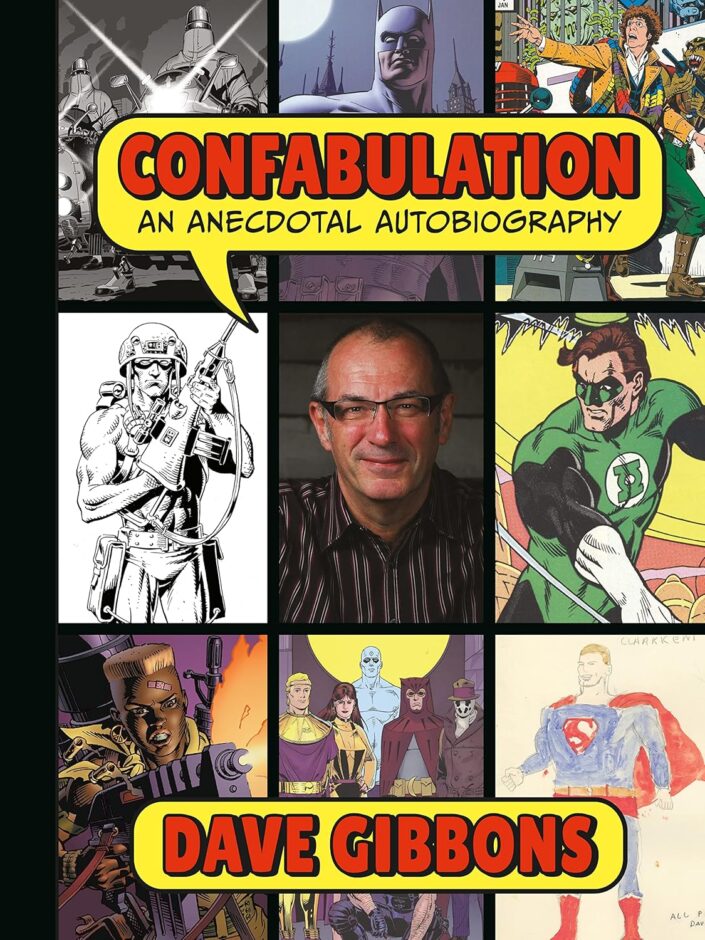
20. Confabulation: An Anecdotal Autobiography by Dave Gibbons (2023)
In the form of an alphabetical list, Dave Gibbons recounts key moments from his decades in the comics industry through a series of sharp, candid anecdotes. Reflecting on his work on Watchmen, 2000 AD, and many other projects, the cartoonist humorously and fondly shares his insights into the creative process, collaborations and the industry’s idiosyncrasies, offering an understated reflection on his career.
21. Q & A by Adrian Tomine (2024)
Structured as a series of 52 questions, this memoir by Adrian Tomine offers an intimate look into his creative process, career, and personal reflections. It covers topics such as his preferred art tools, the challenges of adaptation, and insights into his early self-publishing days. The book also delves into his experiences with feedback, collaboration, and the evolution of his artistic journey.
22. MetaMaus: A Look Inside a Modern Classic, Maus by Art Spiegelman (2011)
Through interviews, sketches, drafts, and family photographs, Spiegelman revisits the creation of Maus, examining how personal memory and historical trauma shaped the work. The book provides a detailed examination of storytelling, representation, and the expressive potential of comics in confronting the legacy of the Holocaust.
23. Crumb: A Cartoonist’s Life by Dan Nadel (2025)
In his biography, Dan Nadel examines Robert Crumb’s career, from his beginnings in the world of underground comix to his enduring cultural influence. Through a combination of interviews and archival material, Nadel portrays Crumb as a constantly evolving and challenging artist whose work, by turns confessional, satirical, and disturbing, redefined the boundaries of personal expression in comics.
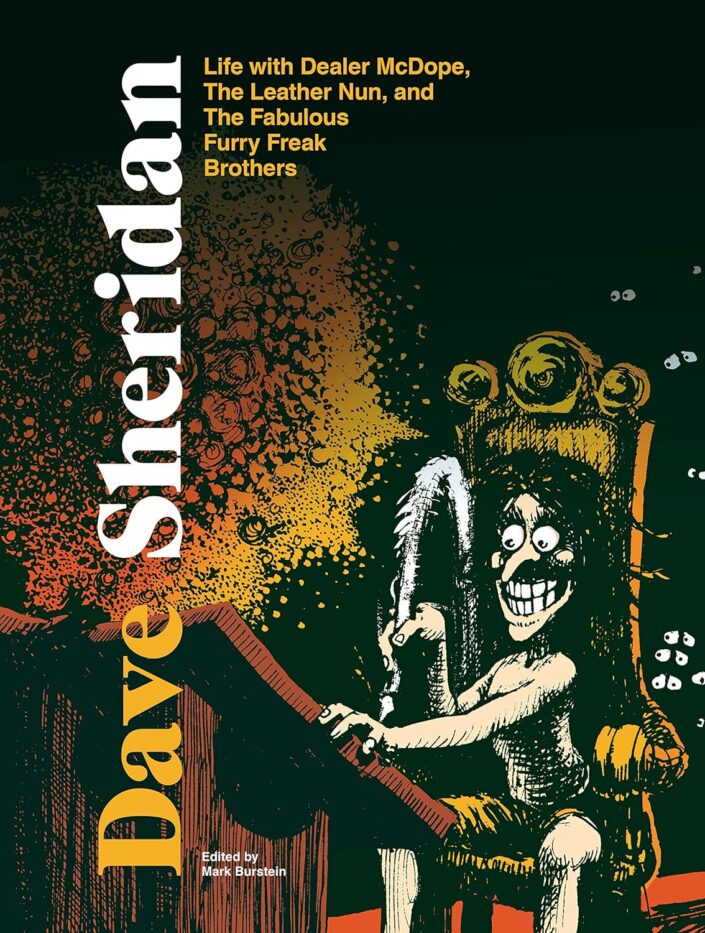
24. Dave Sheridan: Life with Dealer McDope, The Leather Nun and The Fabulous Furry Freak Brothers (2018)
This book chronicles the brief but prolific career of underground cartoonist Dave Sheridan, known for his vibrant, psychedelic art and collaborations with Gilbert Shelton and Fred Schrier. Through a collection of texts written by fellow artists, friends, and family members, it explores Sheridan’s role in shaping the underground comix movement of the 1970s, tracing both his creative energy and the personal struggles that marked his life. The book also reprints a collection of his comic strips.
25. Fire and Water: Bill Everett, the Sub-Mariner, and the Birth of Marvel Comics by Blake Bell (2010)
Putting Bill Everett in his rightful place in comics history, this biography traces the career of the artist who created The Sub-Mariner and helped to define Marvel’s early identity. Drawing on rare artwork, personal archives, and industry accounts, the book portrays Everett as a creative yet troubled figure whose work and personal struggles laid the foundations for modern superhero comics.
26. Looking for Calvin and Hobbes: The Unconventional Story of Bill Watterson and His Revolutionary Comic Strip by Nevin Martell (2013)
In his biography, Nevin Martell explores the life and creative philosophy of Bill Watterson, as well as his steadfast commitment to artistic integrity. It examines how Calvin & Hobbes challenged the conventions of the newspaper comic strip genre, resisted commercialisation, and left behind a legacy of wit, imagination, and emotional depth.
27. Genius, Illustrated: The Life and Art of Alex Toth by Dean Mullaney and Bruce Canwell (2012)
The second book in the Alex Toth: Genius Series, published by IDW Publishing, is an illustrated biography featuring artwork and complete stories from Alex Toth’s later work with Warren, DC Comics, Red Circle, Marvel, and his own creations. Spanning the 1960s to the 2000s and up to his death, it offers an authentic portrayal of the artist while honouring his highly influential and impressive body of work.
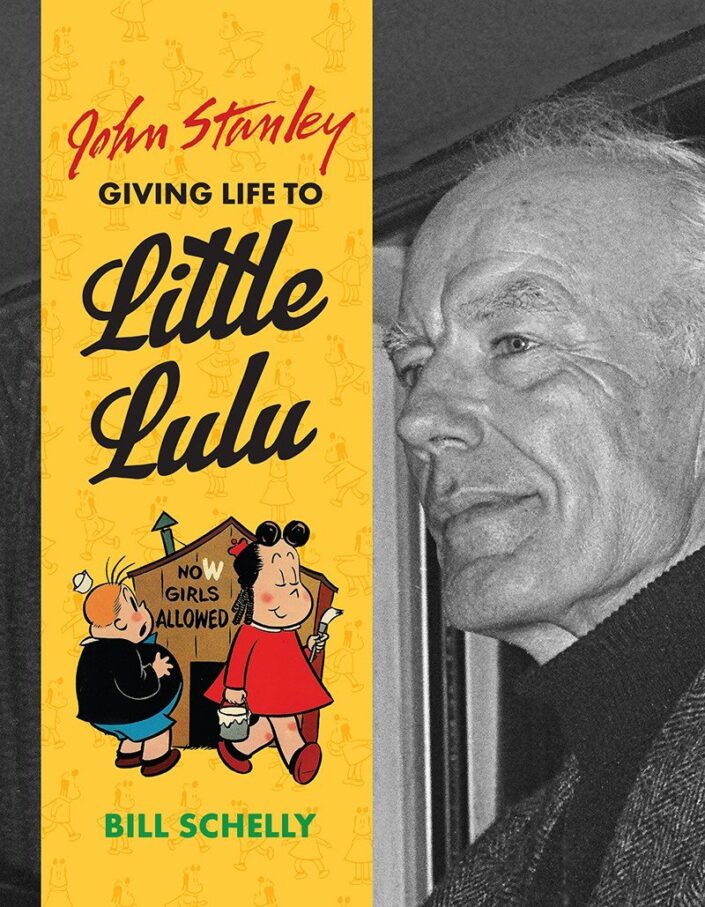
28. John Stanley – Giving Life to Little Lulu by Bill Schelly (2017)
This biography celebrates the life of John Stanley, showcasing his artwork from Little Lulu, Melvin Monster and Thirteen (Going on Eighteen), alongside rare drawings and photographs. Bill Schelly recounts Stanley’s life, from his childhood in New York and his early work in animation to his breakthrough in comics, highlighting both his creative genius and his personal struggles.
29. Marie Severin: The Mirthful Mistress of Comics by Maggie Thompson (2012)
As much a biography as a tribute, this book details the professional life of Marie Severin, chronicling her contributions to Marvel and EC Comics as a colorist, penciller, and humorist. The work documents her artistic versatility, collaborative relationships, and professional resilience within the male-dominated comics industry, emphasizing her enduring influence on American comic art.
30. Out of Line: The Art of Jules Feiffer by Martha Fay (2015)
A comprehensive retrospective of Jules Feiffer’s seventy-year career, examining his work in cartooning, illustration, satire, and theater. The book highlights Feiffer’s distinctive line work, sharp social commentary, and humor, situating his contributions within the broader landscape of American cultural and artistic influence.
31. Strange and Stranger – The World of Steve Ditko by Blake Bell (2008)
A detailed exploration of Steve Ditko’s life and work, highlighting his contributions to Spider-Man, Doctor Strange, and other iconic characters. With this coffee table art book, Blake Bell examines Ditko’s distinctive artistic style, creative philosophy, and reclusive personality, situating him as a pivotal figure in the development of American comics and superhero storytelling.
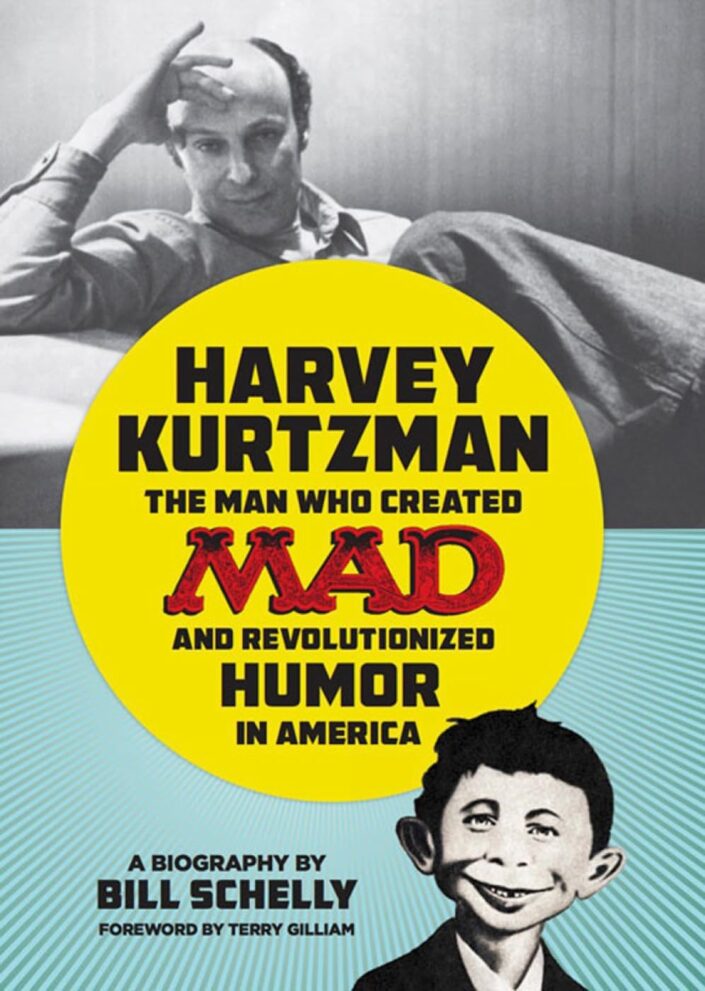
32. Harvey Kurtzman: The Man Who Created Mad and Revolutionized Humor in America by Bill Schelly (2015)
This biography explores the life and career of Harvey Kurtzman and his pivotal role in shaping American satire and humour. Through extensive interviews with his colleagues, friends, and family, Bill Schelly portrays Kurtzman as a visionary artist whose work transcended the comic book genre. It examines his early influences, pioneering work at EC Comics, creation of Mad magazine, and subsequent projects, including Trump, Humbug, and Help!
33. The Life and Legend of Wallace Wood by Bhob Stewart & Steve Ringgenberg (2016)
This two-volume biographical and critical portrait explores the life and career of Wallace ‘Wally’ Wood, a pivotal figure in the Silver Age of comics and a maverick of American pop culture. It chronicles his work for Mad, EC Comics, and Marvel, highlighting his technical mastery, inventive storytelling, and enduring influence on the visual and narrative aspects of comics.
34. Jack Cole & Plastic Man: Forms Stretched to Their Limits by Art Spiegelman & Chip Kidd (2001)
In this visually rich exploration of form, humour, and imagination, cartoonist Art Spiegelman and designer Chip Kidd celebrate Jack Cole and his creation, Plastic Man. The book looks at how Cole’s exuberant, shape-shifting character embodies the comic medium itself, while revealing the intensity and creativity of Cole’s mind. Packed with artwork and analysis, it explains why Plastic Man remains a cult classic and a touchstone of cartoon innovation.
35. The Daniel Clowes Reader: Ghost World, Nine Short Stories & Critical Material by Daniel Clowes (2008)
This book brings together some of Daniel Clowes’ most important works, including Ghost World and nine short stories, alongside essays, interviews and critical commentary. Providing insight into Clowes’ distinctive voice, dark humour, and narrative style, it offers a thorough examination of his influence on contemporary comics and graphic storytelling.