Skip to content

Spider-Verse

Spider-Man Spider-Verse Reading Order (with all the sequels!)

  • by

Now widely known thanks to the 2018 animated movie Spider-Man: Into the Spider-Verse, the “Spider-Verse” is not one of those concepts that Marvel introduced decades ago. In fact, it was conceived as a crossover event written by Dan Slott, with art by Olivier Coipel and Giuseppe Camuncoli, in 2014. An idea that was inspired by Slott’s work on the 2010 video game Spider-Man: Shattered Dimensions.

Since then, the Spider-Verse has become way bigger than a simple crossover. It can now almost be considered a line of comics inside the Spider-Man publishing world. There have been sequels to the original crossovers, spin-off series, and short story anthologies. The whole concept has been used in every other media featuring Spider-Man.

Everything started years ago, during J. Michael Straczynski’s Coming Home story, when Morlun was introduced. He is a powerful being who hunts and consumes “Spider-Totems” (the essence of spider-powered heroes). When the first Spider-Verse event starts, Morlun is back with his horrible family, the Inheritors, who begin exterminating spider-characters throughout the multiverse to feed on their force. Every single Spider-Man ever is needed to save the day!

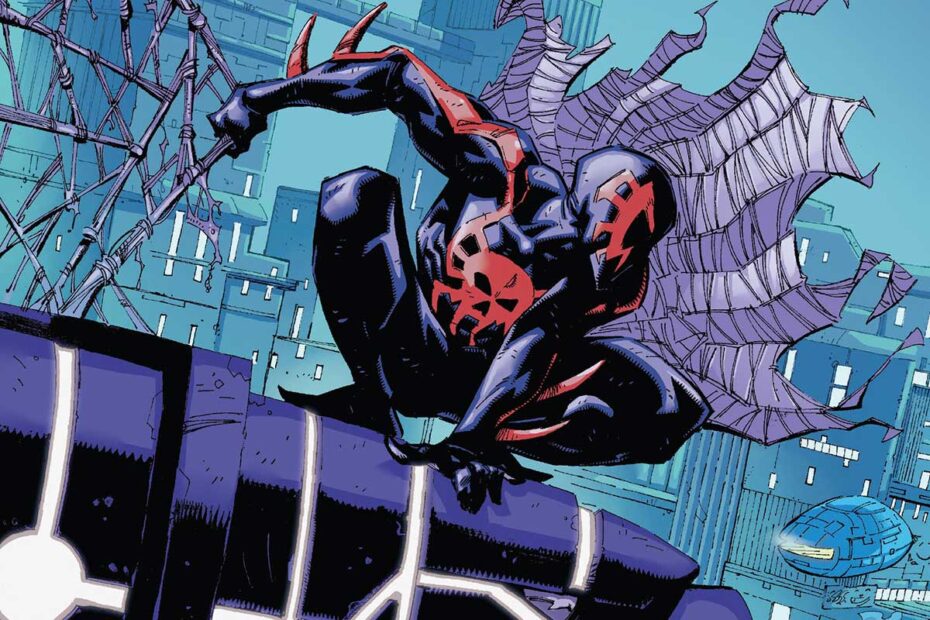
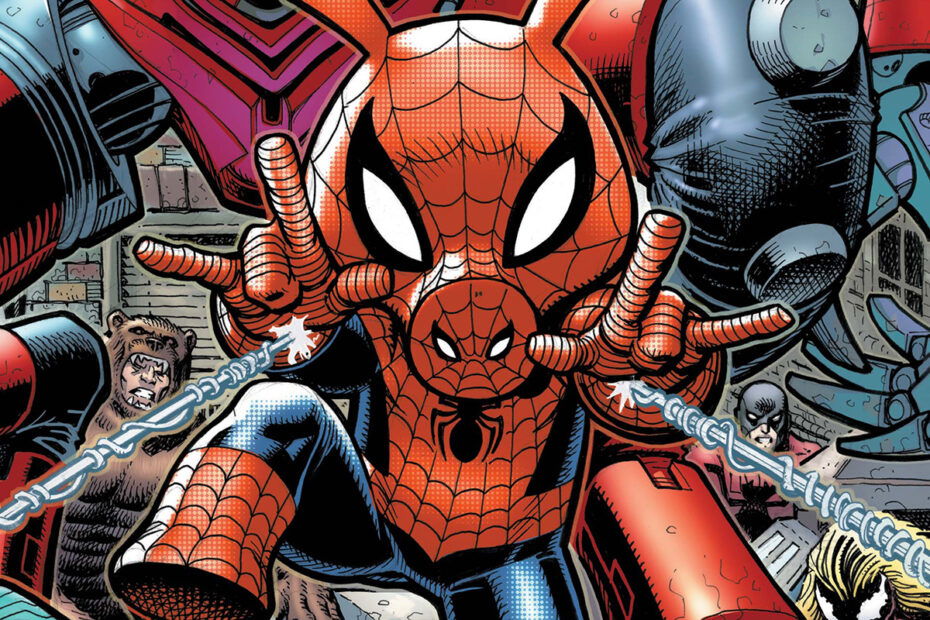
The Spider-Verse treats every alternate take on Spider-Man as part of a connected multiverse: classic Peter Parker, Miles Morales, Spider-Gwen (Gwen Stacy), Spider-Man 2099, Spider-Ham, Japanese Spider-Man with his giant robot Leopardon, and countless others. Now, there are constantly new Spider-Heroes introduced, ready to fight to save all the spiders.

Read More »Spider-Man Spider-Verse Reading Order (with all the sequels!)

Jack O’Lantern: Your Comic Guide to the many Marvel’s Pumpkin Heads

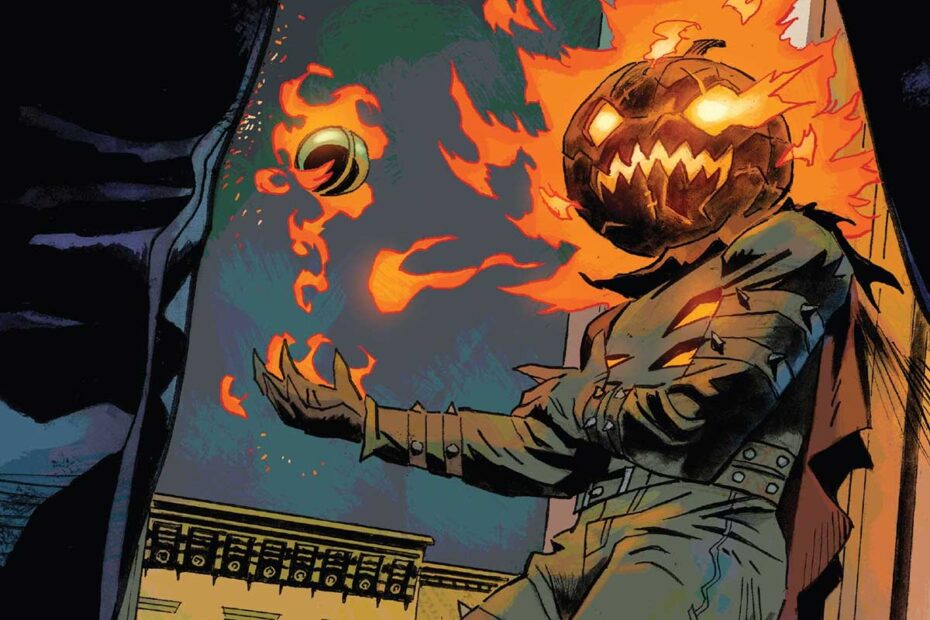
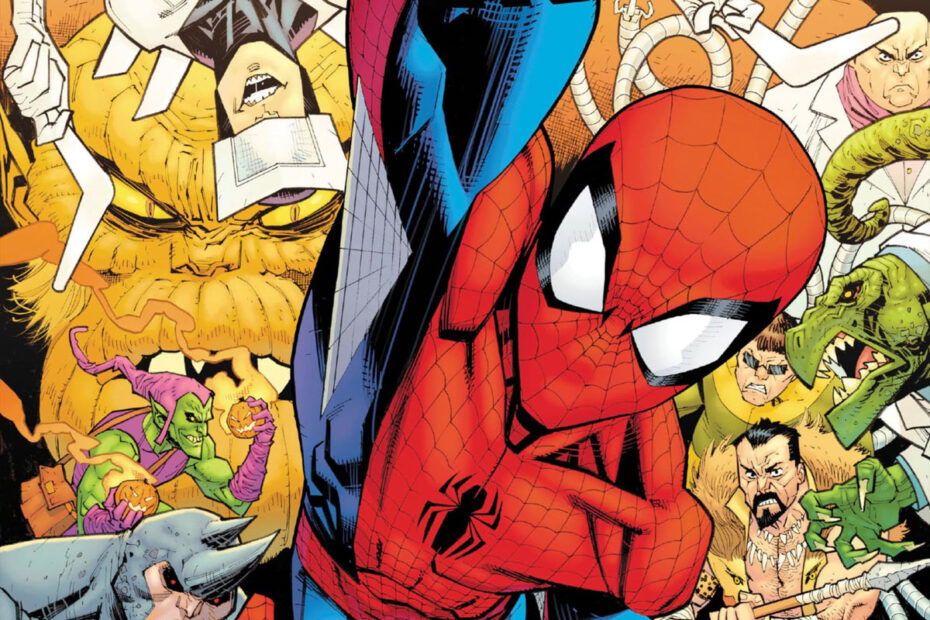
The Green Goblin. Doctor Octopus. Mysterio. Vulture. Electro. Scorpio. Rhino. Kraven the Hunter. Spider-Man has one of the most emblematic rogues galleries at Marvel Comics, and every one of them would not look out of place at a Halloween Party. But no one would fit more than Jack O’Lantern with his Pumpkin head, Pumpkin Bombs, explosive candy, and rocket-powered broomstick. 

Despite his cool design, Jack O’Lantern is still a C-list among Spider-Man villains, and a confusing one on top of that, as many different people have held the name Jack O’Lantern over the years.

To make things a little bit more complicated, there are two different types of Jack O’Lantern. While most of them use costumes, illusions, and conventional weaponry, two of them have sold their soul to Satan and were granted supernatural powers and the ability to turn into Jack at will.

From the first appearance of Jack O’Lantern in 1980 in Machine Man to the reinvention of the character as an archenemy of Venom, celebrate Halloween by discovering more about the many Jack O’Lanterns of Marvel Comics

Read More »Jack O’Lantern: Your Comic Guide to the many Marvel’s Pumpkin Heads

The Amazing Spider-Man by Nick Spencer, a Fresh Start Reading Order

  • by

After his controversial run on Captain America, which culminated in the Secret Empire crossover event, writer Nick Spencer was chosen to succeed long-time writer Dan Slott to relaunch The Amazing Spider-Man as part of Marvel’s Fresh Start Initiative.

It was a classic back-to-the-basics approach for Marvel’s favourite superhero that stripped Peter of his credentials and work at the Daily Bugle. He was, once again, broke and had to return to the University to earn his college degree while sharing an apartment with Randy Robertson and Frederick Myers, also known as the super-villain Boomerang. On the positive side, Peter had recently rekindled his relationship with Mary Jane, the first time since their relationship was retconned during the infamous One More Day storyline.

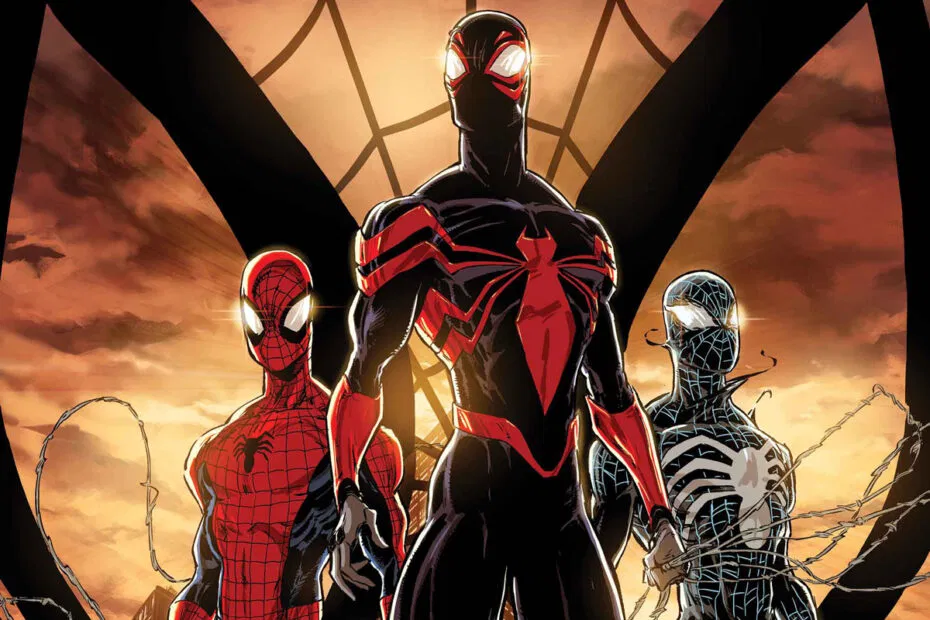
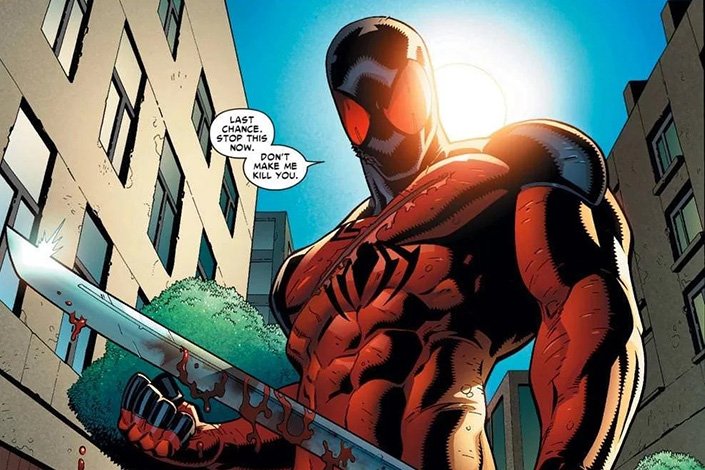
Nick Spencer’s run lasted three years, a period during which the Spider-Family was once again in peril during Spider-Geddon, the original Doctor Octopus returned, and major events such as One More Day, Sins Past and Kraven’s legacy were revisited.

Read More »The Amazing Spider-Man by Nick Spencer, a Fresh Start Reading Order

Ultimate Spider-Man Reading Order

  • by

Thanks to the Into the Spider-Verse animated movies, it is widely known that many versions of Spider-Man exist across the Marvel Universe. And they are not all called Peter Parker. Miles Morales was one of the breakout characters of the Ultimate Universe, set on Earth-1610. But he wasn’t the first one wearing the Spidey costume in this reality. The first Ultimate Spider-Man began to appear in 2000 in his own comic series, as part of the Ultimate Imprint. 

He became a commercial and critical success at the time, and his story would be mostly told in his own comic book series, Ultimate Spider-Man. Peter Parker’s life would shape differently from the classic Spidey, offering a new perspective, but still embodying the values that the character represents since the sixties. Following later in his footsteps is Miles Morales, who has grown up to become one of the most emblematic Spider-People in the Marvel Universe since then.

And since 2024, a new Ultimate Universe has been created, introducing a new Ultimate Spider-Man. 

Read More »Ultimate Spider-Man Reading Order

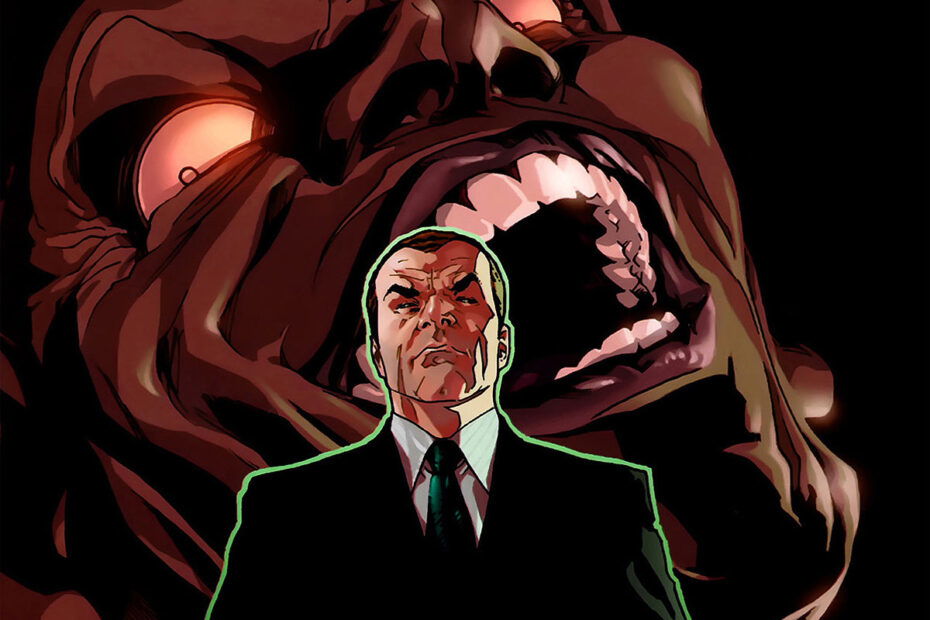
Norman Osborn: The Evolution of Spider-Man’s Nemesis, from Green Goblin to Reformed Man

In the world of superhero comics, so many villains are just coming back, barely evolving as the decades pass. Still, some took on prominent roles and were forced to grow with the times as their continuing existence became so tightly connected to one of the superheroes that they couldn’t stop fighting. They may not be legion, but Norman Osborn is certainly one of them.

As one of Marvel Comics’ most complex and enduring antagonists, he is known primarily as the original Green Goblin. A personal nemesis to Spider-Man, Osborn’s career of villainy has led to some of the most impactful moments in Peter Parker’s life, but also in the Marvel Universe as a whole. 

Read More »Norman Osborn: The Evolution of Spider-Man’s Nemesis, from Green Goblin to Reformed Man

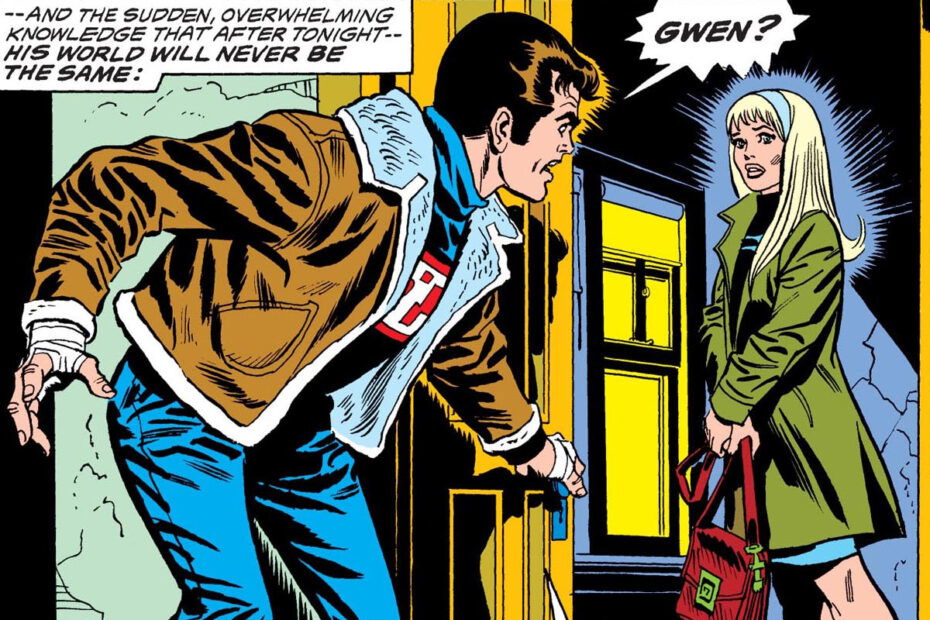
Gwen Stacy: Her Life, Her Death, Her Clones

Recently, Marvel Comics announced another storyline about Gwen Stacy, one of those characters who has been killed but never came back to life. At least, it was not the original Gwen who came back. Her death is probably one of the most iconic and well-known in the medium’s entire history, one that had such an impact on Spider-Man that touching it would be considered sacrilegious to many fans. This never stops the House of Ideas from trying to find a way around it, making Gwen Stacy a sensible subject. As a character, her life was short in comparison to many others, but her influence is still felt to this day.

The Creation of Gwen Stacy

Created by writer Stan Lee and artist Steve Ditko, Gwen Stacy first appeared in The Amazing Spider-Man #31 (1965). She was introduced as one of Peter Parker’s college classmates at Empire State University, alongside Harry Osborn. Initially, Gwen was a background character, but as Ditko departed the book and John Romita Sr. took over as the main artist, her role expanded.

Lee and Romita made Gwen a sophisticated and fashionable young woman. She became Peter Parker’s primary love interest, embodying an idealized romance often filled with drama, misunderstandings, and heartbreak. Being Spider-Man always complicated Peter’s relationships, and with Gwen, this often led to conflicts. Following the death of her father, NYPD Captain George Stacy, in The Amazing Spider-Man #90, Gwen blamed Spider-Man for the tragedy, not realizing Peter was behind the mask, and she decided to leave for Europe as a way to grieve far away from everything that reminded her of the tragedy. However, her love for Peter quickly brought her back to New York and they rebuilt their relationship.

Read More »Gwen Stacy: Her Life, Her Death, Her Clones

Spider-Man Omnibus Reading Order!

  • by

With Great Powers comes many comic book stories! Spider-Man has been web-swinging since his first appearance in 1962. Following his introduction in the pages of Amazing Fantasy #15, Peter Parker has used his intelligence and spider powers to fight crime and help others.

As Marvel’s most popular superhero, the world of Spider-Man has naturally expanded in many directions. He lives many solo adventures in more than one comic book title, has been part of many team-ups, has been a member of several teams, possesses his rogue gallery, and has inspired the creation of countless spider heroes across the Multiverse!

Over the years, Marvel Comics has collected the many tales of Spider-Man in various formats, including classic trade paperbacks, Marvel Masterworks, the popular Epic Collection, and, of course, the Omnibus line!

With more than 30 omnibuses dedicated to Spider-Man—and the number is still growing—, we have decided to create a Specific Spider-Man Omnibus Reading Order. This guide can serve as a roadmap to the spectacular adventures of our Friendly Neighborhood Spider-Man in this particular collection, helping new and old readers find their ways in the vast world of Spidey’s Web of Life and Destiny!

Read More »Spider-Man Omnibus Reading Order!

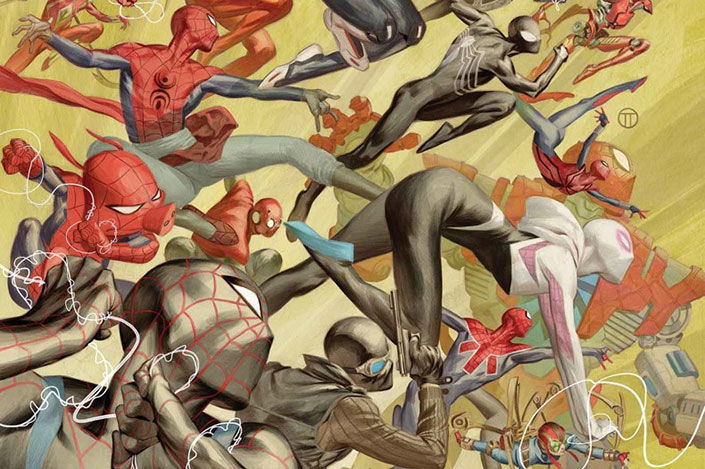
Meet the Web-Warriors, the protectors of the Spider-Verse

Thanks to the animated movie Spider-Man: Into the Spider-Verse and its sequel Across the Spider-Verse, it is no secret that the Marvel Universe contains an infinite number of versions of Spider-Men, Spider-Women, and Spider-villains.

Before Miles Morales and company web-slung onto the big screen, a Spider-Army was created on the pages of Marvel Comics. During the Spider-Verse event, their mission was to protect the Spiders from the Inheritors, a vampiric family who hunt Spider-Totems to access what is called the Web of Life and Destiny, which can be described as a celestial map of the multiverse – and with Spiders created to repair, maintain, and expand it.

Read More »Meet the Web-Warriors, the protectors of the Spider-Verse

Doctor Octopus: Origin Story of Spider-Man’s “Superior” Enemy

Among Spider-Man‘s many iconic enemies, Doctor Octopus occupies a notable place–right after the infamous Green Goblin. Octopuses are not natural enemies to the spiders, so this is an exception. Introduced in 1963 in the pages of The Amazing Spider-Man #3, this supervillain was created by Stan Lee and Steve Ditko.

Doc Ock’s real name is Otto Octavius. He is a mad scientist who is highly intelligent, myopic, and in control of four mechanical arms that he built himself. Those arms were the original idea of Steve Ditko. He suggested it to Stan Lee who came up with the rest, the name and the origin story.

Read More »Doctor Octopus: Origin Story of Spider-Man’s “Superior” Enemy

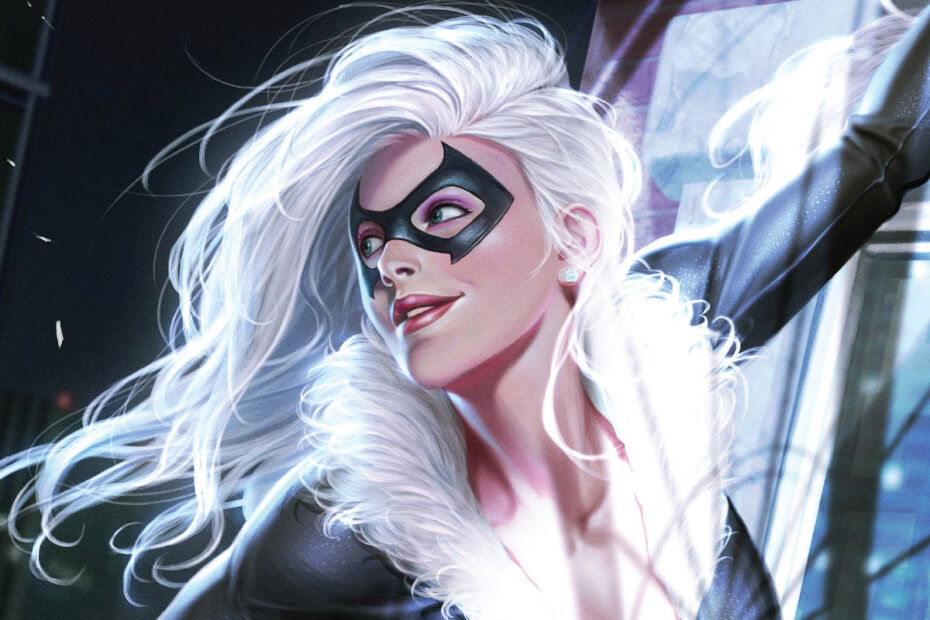
Marvel’s Black Cat Origin Story, Not Just Another Catwoman

  • by

As Spider-Man wasn’t the first spider-themed superhero, Black Cat wasn’t the first comic book cat-themed cat burglar with an ambiguous relationship with a famous vigilante.

Master thief Felicia Hardy was created by Marv Wolfman, Keith Pollard, and Dave Cockrum and made her first official appearance in The Amazing Spider-Man #194, in 1979. It wasn’t supposed to be her introduction as she was first drawn for the cover of Spider-Woman #9, before the story was even written. But Marv Wolfman left the book and brought his feline villain to another spider-titled series, the “amazing” one.

Read More »Marvel’s Black Cat Origin Story, Not Just Another Catwoman