
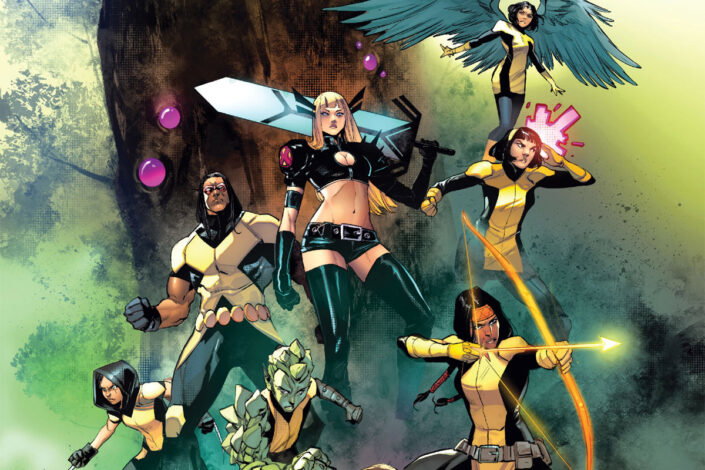
In the 1980s, the X-Men weren’t just a team, they were a phenomenon in the comics world. Under Chris Claremont, the franchise became so massive that Marvel Editor-in-Chief Jim Shooter demanded an expansion. The result was The New Mutants. Though Claremont was initially hesitant, the series quickly evolved from a ‘junior varsity’ squad into a surreal, avant-garde comics, especially once artist Bill Sienkiewicz joined to redefine the book’s visual language.
But who are the New Mutants? They are the teenagers the world feared most: Karma, Wolfsbane, Sunspot, Cannonball, and Moonstar. Thrown together by the X-gene, their journey takes them from early encounters with Spider-Man to the halls of Xavier’s School. From battling Sentinels and the Hellfire Club to the dark transformation of Illyana Rasputin into Magik, this is the definitive map to their early years. For those looking for the ‘big picture,’ you can also find how these issues weave into our complete X-Men Reading Order.
- The New Mutants Omnibus Collection
- The Original New Mutants: The First 100 Issues
- Back To School: The New Mutants, Volume 2
- The Legacy Reunion: The New Mutants, Volume 3
- The Krakoan Renaissance: The New Mutants, Volume 4
The New Mutants Omnibus Collection
For collectors, the New Mutants Omnibus series sets the gold standard. These oversized hardbacks don’t just collect the issues, they preserve the evolution of the X-franchise in stunning detail. From the foundational Bob McLeod era to the experimental Sienkiewicz years that redefined the aesthetic of Marvel comics, these volumes collect the core series alongside every essential tie-in, annual, and graphic novel.
- New Mutants Omnibus, Volume 1
Collects The New Mutants #1–34, Annual #1; Marvel Graphic Novel #4; Marvel Team-Up Annual #6; Marvel Team-Up #100 (A story), #149; Uncanny X-Men #160, #167, #180, #189, #192; Magik #1-4. - New Mutants Omnibus, Volume 2
Collects The New Mutants #35–54, Annual #2-3; New Mutants Special Edition #1; X-Men Annual #9-10; Power Pack #20, #33; Fallen Angels #1-8; Firestar #1-4; New Mutants: War Children #1; Material from Web of Spider Man Annual #2 - New Mutants Omnibus, Volume 3
Collects New Mutants (1983) #55-85, New Mutants Annual (1984) #4, Spellbound (1988) #4, Power Pack (1984) #40, Uncanny X-Men (1981) #231, X-Terminators (1988) #1-4, material from Marvel Comics Presents (1988) #22, Marvel Fanfare (1982) #55, Marvel Super-Heroes (1990) #1, X-Men: Odd Men Out One-Shot (2008)

The New Mutants Reading Order
The New Mutants introduced readers to iconic characters such as Magik, Cable and Deadpool, and saw the X-franchise grow into a multi-title juggernaut. And it all began with a 100-issue epic run.
The Original New Mutants: Volume 1
Spanning from 1983 to 1991, the original 100-issue run is a decade-long coming-of-age story. We witness these five teenagers grow from a traumatised support group into a formidable strike force as they navigate the messy transition from Xavier’s dream to the hardened reality of the ’90s. Throughout the series, the book shifts between genres, ranging from teen drama and cosmic fantasy to psychedelic horror and military action, mirroring the turbulent adolescence of the mutants themselves.
Before going into a more detailed guide to read the original New Mutants series, let’s look at the Epic Collection, the best way to read all of the original New Mutants series. The Collection is complete.
- New Mutants Epic Collection: Renewal
Collects Marvel Graphic Novel No. 4 – The New Mutants, The New Mutants #1–12, Uncanny X-Men #167, Marvel Team-Up Annual #6, Magik #1–4 and material from Marvel Team-Up #100. - New Mutants Epic Collection: The Demon Bear Saga
Collects The New Mutants #13–31, Annual #1 - The New Mutants Epic Collection: Asgardian Wars
Collects New Mutants (1983) #32-44 And Annual #2, New Mutants Special Edition #1, And X-Men Annual (1970) #9 - The New Mutants Epic Collection: Fallen Angels
Collects New Mutants (1983) #45-54 and Annual #3, Fallen Angels (1987) #1-8. - New Mutants Epic Collection: Sudden Death
Collects New Mutants (1983) #55-70, New Mutants Annual (1984) #4. - New Mutants Epic Collection: Curse of the Valkyries
Collects X-Terminators #1–4; The New Mutants #71–85. #76 is part of the Atlantis Attacks storyline - New Mutants Epic Collection: Cable
Collects The New Mutants #86-94, The New Mutants Annual #5-6, The New Mutants Summer Special #1 and material from X-Factor Annual #5 and X-Men Annual #14 - The New Mutants Epic Collection: The End of the Beginning
Collects New Mutants (1983) #95-100 and Annual #7, Uncanny X-Men (1981) #270-272 And X-Factor (1986) #60-62 — Plus Material From New Warriors Annual #1, X-Men Annual (1970) #15 And X-Factor Annual #6.
The Foundation: The Claremont/McLeod Era – Marvel Graphic Novel #4, New Mutants #1-17.
Artist Bob McLeod (alongside Claremont) established the team. These issues focus on the kids learning to use their powers, their first encounters with the Hellfire Club, and the introduction of Magma and Magik. It’s the essential starting point for every character’s arc.
- New Mutants Classic, Vol. 1
Collects The New Mutants #1-7; Marvel Graphic Novel #4; Uncanny X-Men #167 - New Mutants Classic, Vol. 2
Collects The New Mutants #8-17.
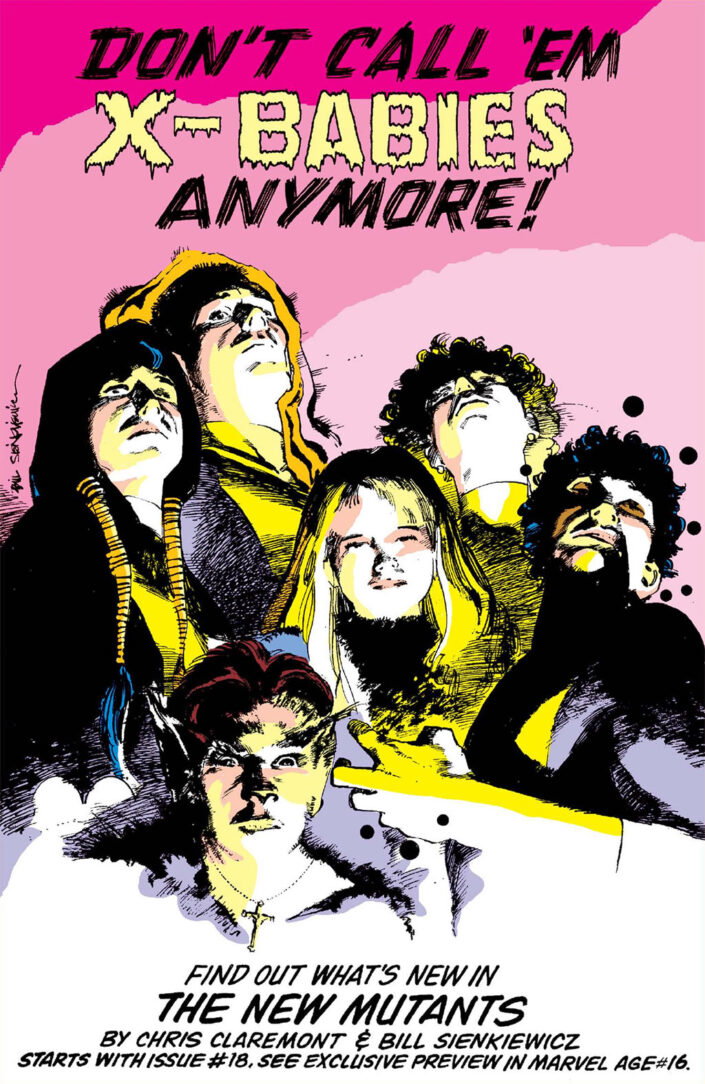
The Revolution: The Sienkiewicz Era – New Mutants #18-31 (The “Demon Bear” Saga)
This is widely considered the best of the series. When Bill Sienkiewicz took over the art, the book shifted into a surrealist comic. The stories became darker and more experimental, focusing on psychological trauma and the arrival of Warlock and Legion.
- New Mutants Classic, Vol. 3
Collects The New Mutants #18-25, Annual #1- New Mutants: Demon Bear
Collects The New Mutants #18-21, X-Force #99, and material from X-Force #7-10.
- New Mutants: Demon Bear
- New Mutants Classic, Vol. 4
Collects The New Mutants #26-34
The Expansion: The Post-Sienkiewicz/Claremont Peak – New Mutants #32-54
Artists like Arthur Adams and June Brigman stepped in. This era features the iconic Asgardian Wars, the arrival of Cypher, and the emotional fallout of the Mutant Massacre. It’s Claremont at the height of his world-building powers.
- New Mutants Classic, Vol. 5
Collects The New Mutants #35–40; New Mutants Special Edition; Uncanny X-Men Annual #9 - New Mutants Classic, Vol. 6
Collects The New Mutants #41–47; Annual #2; Uncanny X-Men Annual #10. - X-Men Milestones: Mutant Massacre
Collects The New Mutants #46; Uncanny X-Men #210–213; X-Factor #9–11; Thor #373–374; Power Pack #27. - New Mutants Classic, Vol. 7
Collects The New Mutants #48–54; Annual #3. - New Mutants Forever
Collects The New Mutants #53–54; New Mutants Forever #1–5.
What If? Ever wonder what would have happened if Chris Claremont never left the title in the ’80s? New Mutants: Forever is the answer. Released in 2010, this five-issue miniseries acts as a direct sequel to the classic 1980s run, picking up right after the events of New Mutants #54. It ignores everything that happened in the main continuity after that point, allowing Claremont to take the original team (plus Cypher and Warlock) on a completely different, ‘alternate’ path.
- New Mutants: Forever
Collects New Mutants Forever #1-5, New Mutants #53-54.
The Transition: The Simonson & Blevins Era – New Mutants #55-85
Writer Louise Simonson took the reins, bringing a more tragic tone to the team. This era is defined by the Inferno event and the devastating loss of key team members. It’s a period of high emotional stakes where the “kids” are forced to grow up way too fast.
This era is connected to bigger X-Men events, and things get a bit messy. For a more straightforward reading experience, the Epic Collection is preferred.
- X-Men Milestones: Fall of the Mutants
Collects Uncanny X-Men #225-227, New Mutants #59-61, X-Factor #24-26.
The Fall of the Mutants storyline has been collected multiple times, including in X-Men: Fall of the Mutants Omnibus and X-Men: Fall of the Mutants Vol. 1.
- X-Men: Inferno Prologue
Collects The New Mutants #62–70, Annual #4; Uncanny X-Men #228–238, Annual #12; X-Factor #27–32, Annual #3; Material from Marvel Age Annual #4; Marvel Fanfare #40. - X-Men Milestone: Inferno
Collects X-Terminators #1-4, Uncanny X-Men #239-243, X-Factor #35-39, New Mutants #71-73. Those issues are also in X-Men: inferno Omnibus. - Issues #74 to 83 are available in the Epic Collection, but also on Digital.
- Acts of Vengeance Crossovers Omnibus
Collects X-Factor #49–50; Wolverine #19–20; Uncanny X-Men #256–258; Fantastic Four #334–336; Dr. Strange, Sorcerer Supreme #11–13; Incredible Hulk #363; Punisher #28–29; Punisher War Journal #12–13; Marc Spector: Moon Knight #8–10; Daredevil #275–276; Power Pack #53; Alpha Flight #79–80; New Mutants #84–86; Damage Control #1–4; and Web of Spider-Man #64–65.
The Genesis of X-Force: The Liefeld Era – New Mutants #86-100
Enter Rob Liefeld. The book pivots away from the school setting as the mysterious Cable takes over. This era introduces Deadpool, Shatterstar, and Domino, eventually leading directly into the cancellation of New Mutants and the launch of X-Force.
- Cable and the New Mutants
Collects The New Mutants #86–94, New Mutants Annual #5. - X-Men Milestones: X-tinction Agenda
Collects Uncanny X-Men (1981) #235-238 and #270-272, New Mutants (1983) #95-97, and X-Factor (1986) #60-62. - X-Force: A Force to be Reckoned With
Collects New Mutants #98-100, X-Force #1-4, Spider-Man #16
This is, with issue #100, the end of the first volume of The New Mutants. The title was canceled in 1991, but the new team formed by Cable continued in X-Force (see reading order), a series that would continue until 2002, and feature a variety of the former New Mutants cast.
In 1997, before the team officially moved into the modern era, the three-issue miniseries The New Mutants: Truth or Death offered a nostalgic look back at the original lineup. Writer Ben Raab and artist Bernard Chang take us on a time-bending journey where a modern-day Illyana Rasputin (Magik) reunites her old friends for a high-stakes mission. They have to save their younger selves from a past they’ve already lived.
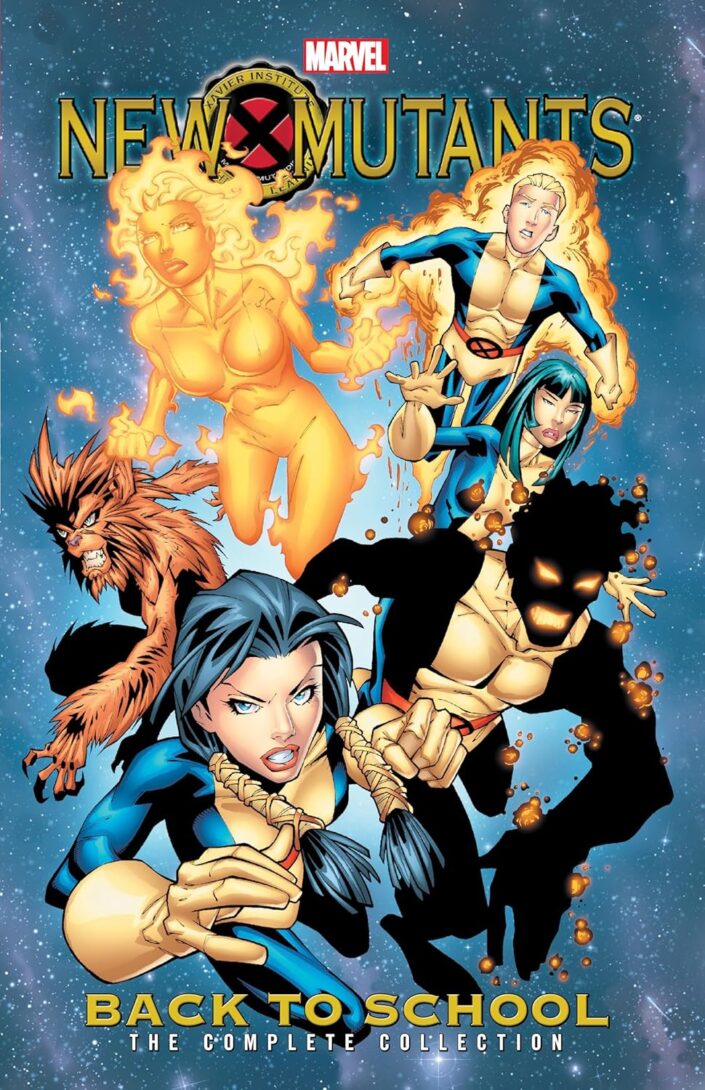
Back To School: The New Mutants, Volume 2
The 2003 relaunch of New Mutants Vol. 2 was part of Marvel’s massive ‘X-Men: ReLoad’ initiative. Classic members like Moonstar, Karma, Magma, and Wolfsbane stepped into new roles as recruiters and mentors at the Xavier School. Written by Nunzio DeFilippis and Christina Weir, every issue introduced a fresh wave of newly conceived mutants, blending high-school drama with classic X-Men stakes. Though short-lived at only 13 issues, this run led directly into the high-profile relaunch: New X-Men: Academy X.
- New Mutants: Back to School – Complete Collection
Collects New Mutants, vol. 2 #1-13; X-Men Unlimited #42-43.
The story doesn’t end with New Mutants Vol. 2 #13. Following the X-Men: ReLoad event, the series was retitled and shifted its focus from the mentors back to the students themselves. Under the guidance of the original New Mutants, the student body was organized into specialized squads, sparking legendary rivalries.
- New X-Men: Academy X – The Complete Collection
Collects New X-Men (2004) #1-15, New X-Men: Academy X Yearbook and New X-Men: Hellions #1-4. - New X-Men: Childhood’s End – The Complete Collection
Collects New X-Men (2004) #16-32.
After issue #19 and the events of House of M, the series drops the “Academy X” subtitle and becomes simply New X-Men. The tone shifts drastically from high-school drama to a brutal fight for survival during the “Decimation” era.
- New X-Men: The Quest For Magik – The Complete Collection
Collects New X-Men (2004) #33-39, #40-42 (A Stories) and #43; X-Infernus #1-4 and Saga and material from X-Men Unlimited (2004) #14 and X-Men: Divided We Stand #2. - X-Men Milestones: Messiah Complex
Collects X-Men: Messiah Complex One-Shot (2007), Uncanny X-Men #492-494, X-Men (vol. 2) 205-207, New X-Men (2004) 44-46, X-Factor (2005) 25-27
The Legacy Reunion: The New Mutants, Volume 3
After years of being scattered across different teams or lost in different dimensions, the original squad finally comes home. Picking up directly after the events of X-Infernus, New Mutants Vol. 3 reunites the core cast: Cannonball, Karma, Magik, Magma, Dani Moonstar, and Sunspot. No longer just students in training, these are now seasoned veterans of the X-Men. Written largely by Zeb Wells, this volume recaptures the atmosphere of the original series while placing the team at the heart of the X-Men’s survival on the island of Utopia.
You can find Wells’ run collected in one book (everything except the Second Coming issues):
- New Mutants by Zeb Wells: The Complete Collection
Collects New Mutants (2009) #1-11, #15-21 and material from X-Necrosha #1 and Marvel Spotlight: New Mutants.
Or in the following trade paperbacks:
- New Mutants: Return of Legion
Collects New Mutants, vol. 3 #1-5; Marvel Spotlight: New Mutants. - New Mutants: Necrosha
Collects New Mutants, vol. 3 #6-11. For the full Necrosha event (that includes #6–8), read the book X-Men Milestones: Necrosha. - X-Men Milestones: Second Coming
Collects Second Coming: Prepare (2009), Second Coming (2010) 1-2, Uncanny X-Men (1981) 523-525, New Mutants (2009) 12-14, X-Men Legacy (2008) 235-237, X-Force (2008) 26-28. - New Mutants: Fall of the New Mutants
Collects New Mutants, vol. 3 #15–21. - X-Men Milestones: Age Of X
Collects Age of X Alpha (2011) #1, X-Men Legacy (2008) #245-247, New Mutants (2009) 22-24, Age of X: Universe (2011) #1-2.
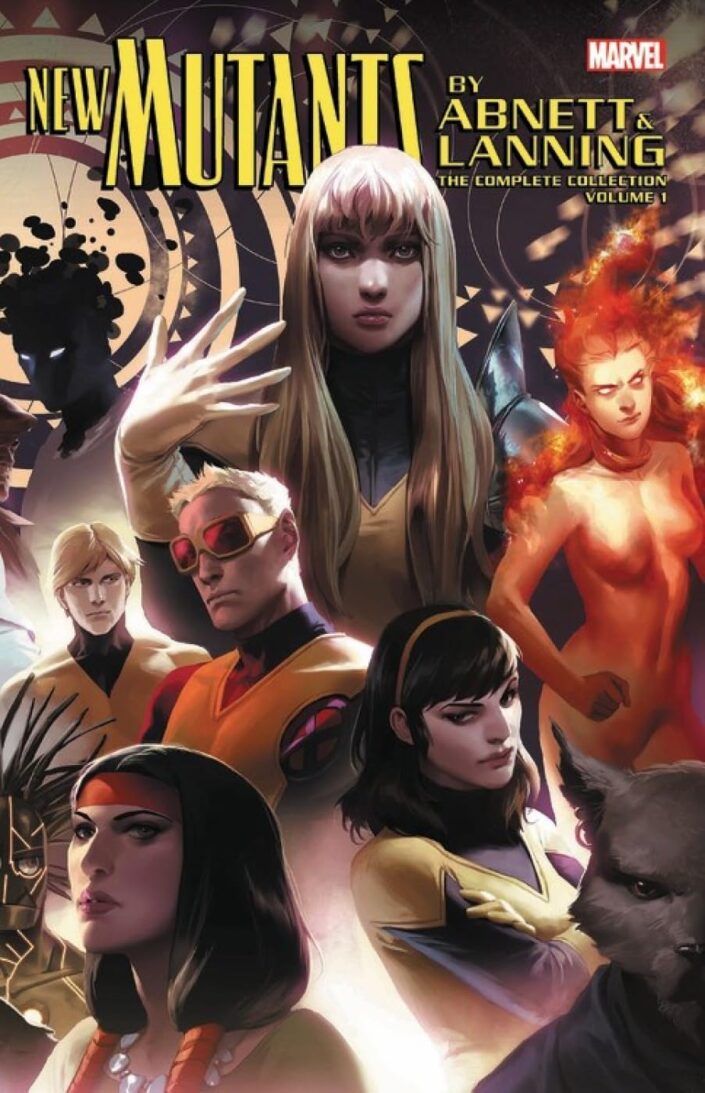
The final half of New Mutants Vol. 3 came from Dan Abnett and Andy Lanning. Taking the reins during the Age of X event and leading the team through the Regenesis era, they shifted the team’s focus to ‘cleaning up’ unfinished business from the X-Men’s past. Whether they are battling the Ani-Mator or dealing with the repercussions of Fear Itself, this run is a tight, action-packed conclusion to the third volume. You can find the complete story across these two collections:
- New Mutants by Abnett & Lanning: The Complete Collection Vol. 1
Collects New Mutants, vol. 3 #25-37, Journey Into Mystery #632 - New Mutants by Abnett & Lanning: The Complete Collection Vol. 2
Collects New Mutants, vol. 3 #38-50, Exiled #1, Journey Into Mystery #637–638.
Or in the following trade paperbacks:
- New Mutants: Unfinished Business
Collects New Mutants, vol. 3 #25–28. - Fear Itself: Wolverine/New Mutants
Collects Fear Itself: Wolverine #1–3; New Mutants, vol. 3 #29–32. For more on the Fear Itself event, you can find our full reading order here. - New Mutants: A Date with the Devil
Collects New Mutants, vol. 3 #33–37. - New Mutants: De-Animator
Collects New Mutants, vol. 3 #38–41. - Journey Into Mystery/New Mutants: Exiled
Collects New Mutants, vol. 3 #42–43, Exiled #1, Journey Into Mystery #637–638. - New Mutants: Fight the Future
Collects New Mutants, vol. 3 #44–50.
In anticipation of the New Mutants feature film, Marvel launched New Mutants: Dead Souls, a six-issue miniseries that leaned heavily into the horror roots of the franchise … and then the movie famously faced years of delays. Written by Matthew Rosenberg with art by Adam Gorham, the story follows a mismatched team including Magik, Wolfsbane, Rictor, Boom-Boom, and Strong Guy as they work for Hatchi Corporation to investigate paranormal disturbances.
- New Mutants: Dead Souls
Collects New Mutants: Dead Souls #1-6.
The Krakoan Renaissance: The New Mutants, Volume 4
The New Mutants have a new home, but the same penchant for trouble. In the wake of House of X/Power of X, the Fourth Volume of The New Mutants explores what it means to be a young mutant on the island paradise of Krakoa. This era, steered by Jonathan Hickman, Ed Brisson, and eventually Vita Ayala, bridges the gap between the classic characters and the newest generation of mutants.
For a more detailed reading order of Hickman’s X-Men, follow the guide.
- New Mutants by Jonathan Hickman – Volume 1
Collects New Mutants #1–2, 5, 7. - New Mutants by Ed Brisson – Volume 1
Collects New Mutants #3–4, 6, 8–12. - New Mutants by Vita Ayala – Volume 1
Collects New Mutants #14-18. - New Mutants by Vita Ayala – Volume 2
Collects New Mutants #19-24.
In the 2023 Lethal Legion miniseries, writer Charlie Jane Anders and artist Enid Balam embark the team on a daring and potentially disastrous robbery. Featuring a mix of classic members and a heavy focus on Escapade (Shela Sexton), Wolfsbane, and the younger “Lost Club” students.
- New Mutants: Lethal Legion
Collects New Mutants: Lethal Legion #1-5. - New Mutants by Vita Ayala – Volume 3
Collects New Mutants #25-28.
That’s it… for now. While the old and new characters who made the New Mutants a legendary team are still in the world of the X-Men, we are waiting for the next iteration to be announced.