Skip to content

DC Comics

How to start reading DC Comics in 2026: Part 2, The Adventure Continues!

  • by

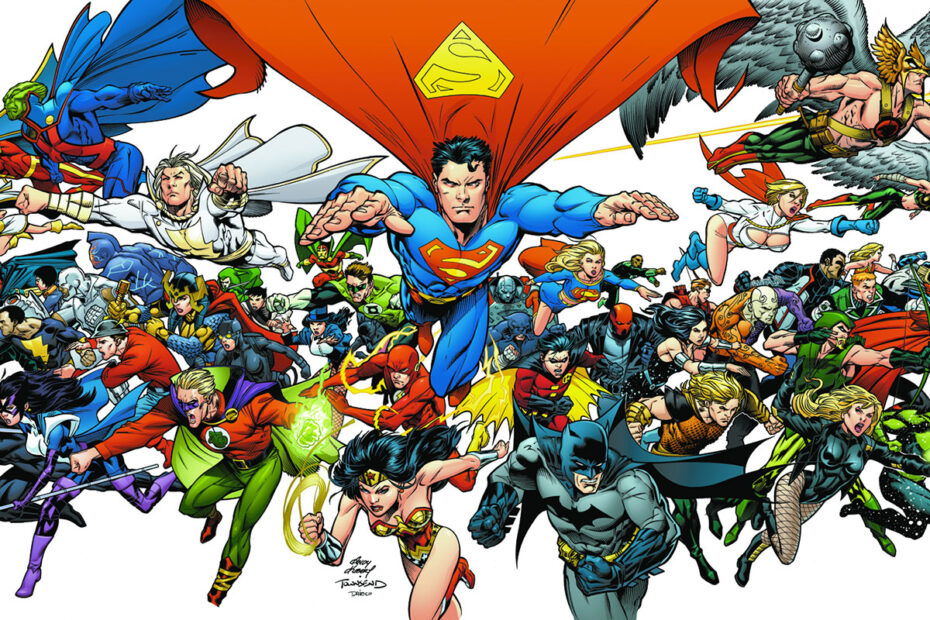
You have taken your first steps into the DC Universe, met the Trinity, read a few origin stories, and had fun adventures across Gotham, Metropolis, the Seven Seas, and outer space. But that’s only the beginning. With nearly nine decades of comics behind it, the DC Universe is full of tales still waiting to be discovered, characters to meet, and major events to experience.

You’re now a bit more familiar with this rich world, and chances are, you already have a few favorite heroes or villains you want to know more about. We encourage you to check if we have a dedicated reading guide for them (and if we don’t, shoot us a word!) to read more of his or her adventures. You have, after all, now dipped your toes into this vast ocean of stories, and now it’s time to dive deeper.

This guide is here to help you expand your reading, with more classic stories and celebrated runs, encounter more DC characters, and even step outside of continuity for original and timeless tales on some of the more iconic members of the DC Universe. 

Read More »How to start reading DC Comics in 2026: Part 2, The Adventure Continues!

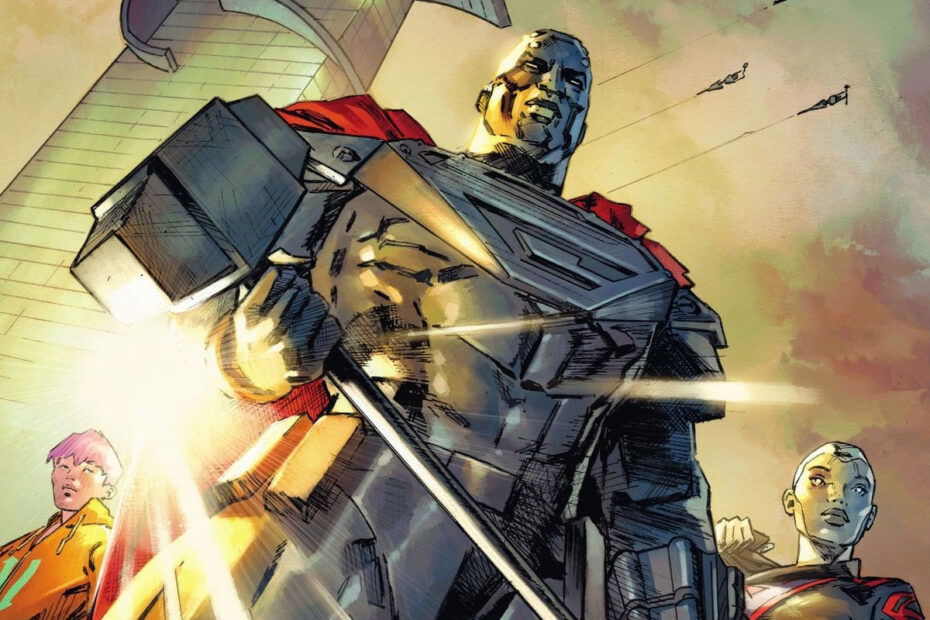
John Henry Irons, Steel Reading Order, Superman’s Ally

In the aftermath of The Death of Superman storyline, the DC Comics Universe was without a Man of Steel, but not for long, as soon appeared one man who became Steel, John Henry Irons (a reference to the African American folk hero John Henry).

First appearing in The Adventures of Superman #500 (1993), Irons was created by writer Louise Simonson and artist Jon Bogdanove as part of the Reign of the Supermen storyline, which followed the death of Superman at the hands of Doomsday. With Superman temporarily gone, four potential successors to Superman appeared to try to replace him as defender of Metropolis. Steel was one of them.

A brilliant engineer and weapons designer, Doctor John Henry Irons had once created powerful weaponry for a defense contractor, AmerTek, only to watch it fall into the wrong hands. Haunted by guilt, he abandoned his former life, faking his death and moving to Metropolis, where he was saved during a construction accident by Superman himself. Inspired by this event and Superman’s words (“live a life worth saving”), Irons finds a way to redeem himself, and, after Superman’s death, he takes up the mantle. He wanted not to replace Superman, but to honor him. To do this, Irons built a high-tech suit of armor and wielded a mighty hammer as the armored hero Steel.

When Superman eventually comes back, he accepts Steel as an ally. Since then, John Henry Irons kept fighting the good fight and was eventually joined by his niece, Natasha Irons, who would eventually become a hero in her own right. A brilliant teenager assisting her uncle, Natasha got her own armor of steel, and her relationship with John evolved as he became a true father figure for his niece. Being Steel became a family affair.

Read More »John Henry Irons, Steel Reading Order, Superman’s Ally

Batman and Superman: A Reading Guide to DC’s Finest Team-Ups

  • by

Batman is one of the smartest superheroes in the DC Universe, while Superman is one of the most powerful. Together, they make up the World’s Finest team! 

Their friendship is one of the most enduring and iconic in comic books. These are two men with very different approaches to crime-fighting who have learned to respect and admire each other. They’ve faced many hardships, challenges, and conflicts together. While they don’t always agree and have had their share of fights, their partnership has stood the test of time and their victories and team-ups are legendary.

Batman and Superman’s relationship dates back to the Golden Age, where their Earth-Two counterparts were honorary members of the JSA, though they weren’t present in the title, to busy living many adventures in the pages of their solo titles at the time. It wasn’t until the Silver Age that their partnership truly took off, beginning with World’s Finest Comics #71 and continuing nearly uninterrupted until the series ended with issue #323.

More than 70 years later, the two heroes still work regularly together—whether it’s for a single issue, a complete storyline, a major comic book event, or as co-leads in an ongoing comic series.

If you’re curious about Superman and Batman’s friendship but don’t know where to start and what to read, this reading guide is here to help you read about one of the best team-ups in the comic book universe!

Read More »Batman and Superman: A Reading Guide to DC’s Finest Team-Ups

Etrigan The Demon Reading Order

  • by

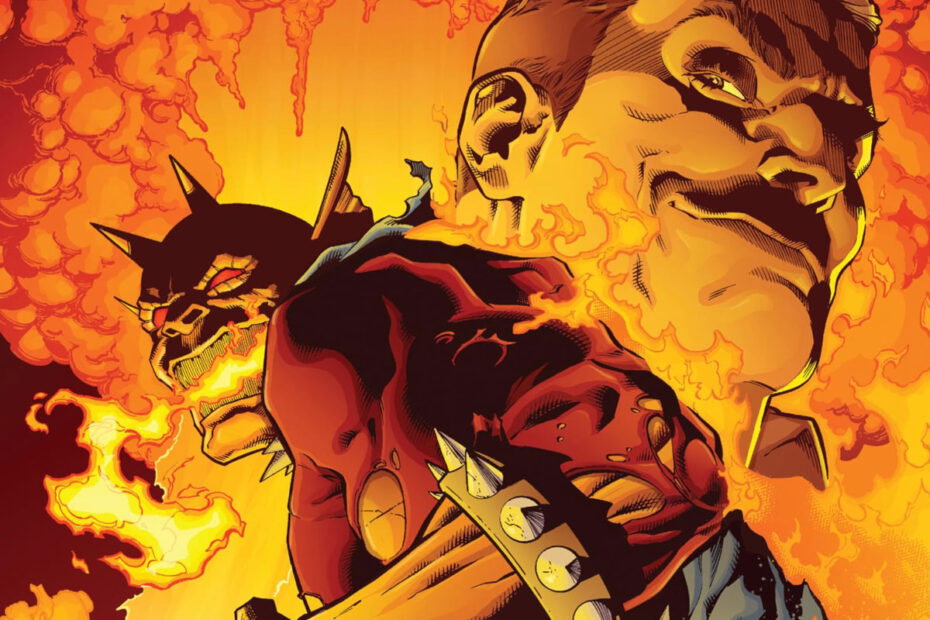
Created by Jack Kirby for DC Comics, Etrigan the Demon made his debut in 1972. The character was first teased in the last issue of The Forever People (issue #10), announcing the launch of the new series simply titled “The Demon.”

Inspired by a character from Hal Foster’s Prince Valiant comics, Etrigan is a demon from Hell whom Merlin originally summoned to help him seek and protect the Eternity Book. The Wizard bound him to Jason Blood, one of his loyal knights. This fusion condemned Jason to immortality and a constant inner struggle with the demonic entity he now shared a body with. Blood worked with Harry Matthews, Glenda Mark, and Randy Singh to face powerful foes, including Morgaine Le Fey and her followers.

Jack Kirby only wrote and drew the original 16-issue series, but The Demon came back a few years later, in 1977, first in his second team-up with Batman in Brave and the Bold #137 ( the first one was in B&B #109 by Bob Haney and Jim Aparo, the only Demon story not by Kirby at the time, in 1973). After all, Jason Blood was based in Gotham City, so he had to meet the Caped Crusader from time to time. DC Comics continued to bring Etrigan back in Batman Family, Detective Comics, Wonder Woman, and DC Comics Presents, before appearing notably in The Saga of Swamp Thing.

That’s when a change appeared in The Demon’s characterization. In SOTST #26 (1984) by Alan Moore, Stephen R. Bissette, and John Totleben, Etrigan started to speak exclusively in rhyming verse, which quickly became a defining trait of the character. Other renowned writers and cartoonists continued to bring The Demon back after that, like Matt Wagner, Jim Starlin and Mike Mignola, John Byrne, and more. The character was recurring inside the DC Universe with his story being developed from one book to the other, but he never became a major one. Still, he is a memorable and captivating figure.

Read More »Etrigan The Demon Reading Order

Clayface Explained: The Many Faces of Batman’s muddiest Rogue

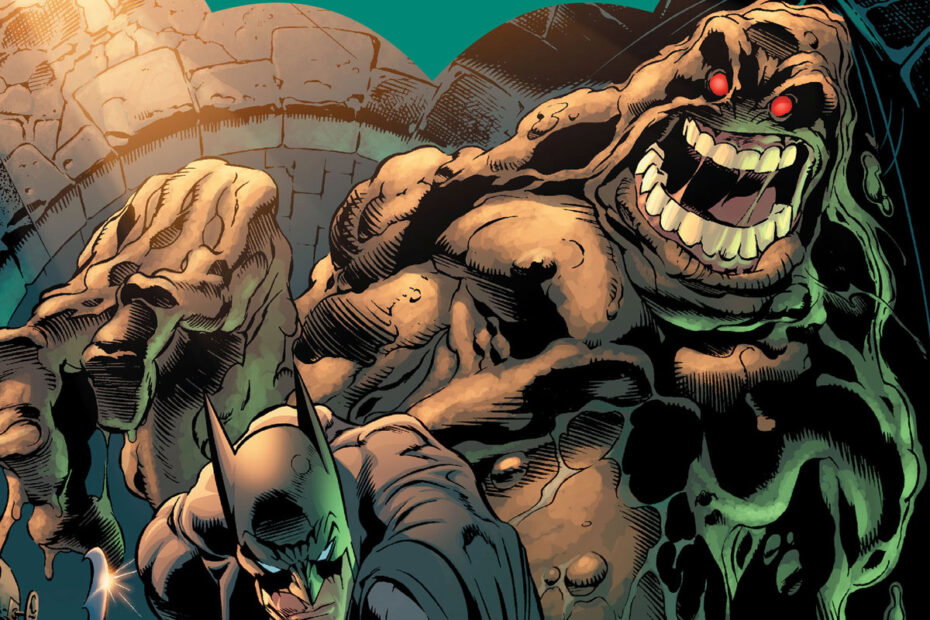
It may not be surprising that a character made of clay has been reshaped multiple times. In the world of DC Comics (and superhero comics in general), legacy characters are now pretty common, but few have passed the baton–or the moniker–as much as Clayface. Known for being one of Batman’s Rogues Gallery members, this adversary is undoubtedly not a simple villain but “multiple.”

From actor Basil Karlo to firefighter Johnny Williams, the Clayface name is rooted in horror and tragedy, with each version bringing something different and reshaping the character’s relationship with the Caped Crusader.

Read More »Clayface Explained: The Many Faces of Batman’s muddiest Rogue

Best Joker Comics: Your Essential Reading Order for the Clown Prince of Crime

  • by

Everyone knows the Joker. He’s Batman’s archenemy and one of the most dangerous and unpredictable villains in Gotham City (and across DC Comics).

The origins of the Joker are as mysterious as the character himself. Bill Finger, Bob Kane, and Jerry Robinson—credited for the character’s conception—each offer their own version of the story. What can’t be denied was the influence of actor Conrad Veidt’s grinning visage from the movie The Man Who Laughs (1928) as inspiration for the Joker design.

Regardless of the story behind the Joker’s creation, Batman’s villain has become over time a larger-than-life character, an unstoppable force of nature representing everything Batman stands against. He is often used to represent unresolved societal issues and has been, throughout the years, a criminal mastermind, a comical prankster, an anarchist, and a classic trickster who shifts between violence and dark humor.

Read More »Best Joker Comics: Your Essential Reading Order for the Clown Prince of Crime

The Phantom Zone Explained: The Evolution of the Kryptonian Prison

Before Marvel Comics introduced its Negative Zone, DC Comics had presented to its readers a different type of zone, one connected to Superman‘s world, The Phantom Zone. Created by Robert Bernstein and George Papp, this prison parallel dimension first appeared in Adventure Comics #283 in 1961. Back then, Superboy found a stash of Kryptonian weapons that included the Phantom Zone Projector. Since then, the subject has been developed by multiple authors and retconned by others.

The Pre-Crisis Origins of the Phantom Zone

As explained in Superboy #104 by Edmond Hamilton and Papp, the Phantom Zone was created by Kryptonian scientist Jor-El. He introduced it as a humane alternative to replace the “orbit exile system.” Following that, Krypton’s legal system sentenced the criminals to an intangible, timeless exile in a pocket dimension. Within the Phantom Zone, prisoners exist as spectral entities, unable to interact with the physical world but still conscious and aware—essentially, ghosts stuck in eternal imprisonment without the ability to age or die.

With the Phantom Zone Projector saved from destruction, those Kryptonian prisoners survived the explosion of their planet and found their way to Earth. The evil Jax-Ur was the first to escape and torment Superboy, but not the last. The Zone quickly became a recurring plot device in Superman used for decades.

Read More »The Phantom Zone Explained: The Evolution of the Kryptonian Prison

Maxwell Lord: The Comic Book History of a Master Manipulator

« Lord was always sort of a nebulous, self-serving hard ass » said Keith Giffen (RIP) in a CBR interview twenty years ago. He’s talking about Maxwell Lord, power broker, master manipulator, cyborg for a time, spy and full-blown villain.

The Maxwell Lord appearing in the pages of DC Comics today is not the same man readers encountered when he made his first appearance almost 40 years ago in Justice League #1 (May 1987). His origins were rewritten post-Flashpoint to better align with his modern characterization. Once an amoral power broker, Lord has since become a more straightforward villain.

With a new version of Maxwell Lord set to appear in the upcoming Superman movie this summer, we take a look back at Maxwell Lord’s history, and how the character has changed over time.

Read More »Maxwell Lord: The Comic Book History of a Master Manipulator

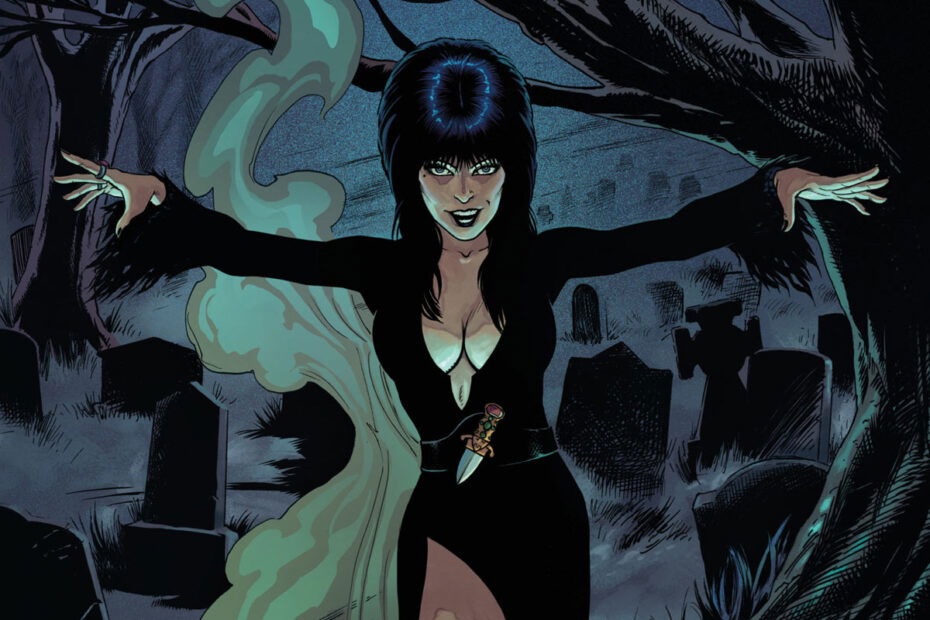
Elvira, Mistress of the Dark Comic Book’s History, From DC to Dynamite

Amateurs of horror are certainly familiar with Elvira, Mistress of the Dark. Played by Cassandra Peterson, Elvira is a campy horror-themed TV hostess with a razor-sharp wit and an iconic gothic sense of style–her plunging black dress and beehive hairdo are immediately identifiable. She rose to fame in the early 1980s as the Movie Macabre star, a show featuring her clever, satirical, and innuendo-filled commentary on low-budget horror films. 

Her popularity led her to host another type of horror show, as she became one of the caretakers of DC’s House of Mystery, the horror anthology comic book. Since then, her adventures in comics have taken a different path, as she became the protagonist of a long-running series—not just the hostess—before coming back in a pop-culture-heavy series that Dynamite regularly publishes. So today, we are taking a look at Elvira’s comics history.

Read More »Elvira, Mistress of the Dark Comic Book’s History, From DC to Dynamite

John Stewart’s Evolution: From Green Lantern Backup to Corps Leader

Among the Green Lanterns from Earth, John Stewart is one of the most popular and he may be gaining more fans soon as he is one of the main characters in the Green Lantern TV Show coming on HBO–played by actor Aaron Pierre.

Created by Dennis O’Neil and Neal Adams in Green Lantern vol. 2 #87 (1971), John Stewart was one of the first African-American superheroes to appear in DC Comics. Still, he didn’t immediately become one of the most prominent ones.

In fact, after this first appearance, he only came back four years later for a team-up with the Justice League of America (in Justice League of America #110, in 1974). He then continued to pop up only sporadically in Green Lantern comics until the mid-1980s with Crisis on Infinite Earths and his time as the main protector of sector 2814 in Green Lantern (from #182 to #200).

It was a slow start but John Stewart’s cosmic adventures are still going strong today.

Read More »John Stewart’s Evolution: From Green Lantern Backup to Corps Leader